3 Types of Mold and Where Can They Usually Be Found

Mold in your home is an alarming issue because it will likely grow everywhere. Finding mold in our homes is disturbing enough, but determining the extent of the problem is difficult without proper training in evaluation, assessment, and testing.

Mold can be found in various dimensions, shapes, and colors and has been a constant problem in many businesses and homes. Mold exposure can have profound effects that range from minor irritations to serious health concerns. Mold spores can be easily carried into the interiors of your home and migrate from one location to another as microscopic spores.

The growth of mold is accelerated and reproducible in damp environments, but it also feeds on the substrates like cloth, wood, carpets, and drywall. It thrives in wet basements and bathrooms and near water pipes in laundry rooms and air ducts.

Types of Household Molds

Molds possess various characteristics, like color and effects on pet and human health. It is crucial to remember that other mold species might be more harmful concerning size, color, or method of contact.

Stachybotrys (Black Mold)

Because of its dark hue and high toxicity, This mold is often known as the black mold. It’s known as a significant mold as it usually outnumbers other species of mold that have been able to establish colonies.

It’s a mold that produces toxins that cause allergic responses. It’s slimy and is black or dark green in hue.

Because of the high humidity, the Stachybotrys thrive in humid and damp environments. It only grows on cellulose-based materials such as cardboard, paper, wood, wicker, or hay. The basement is among the sites where Stachybotrys is more prevalent. Look up “Restoration contractors sterling” for best results.

Aspergillus

Aspergillus, unlike Stachybotrys, is a well-known allergenic mold. It has a smidgen of fuzzy growth and appears green or gray in appearance. It is characterized by flask-shaped long spores that create thick layers of mold.

Many kinds of Aspergillus mold produce lengthy chains on various surfaces for mold development. Multiple species and the impacted environment might make it harmful even though it is an allergic mold.

It is most commonly located in warm and humid locations. It can cause serious adverse effects such as irritated lungs, allergic responses, or respiratory infection. Individuals exposed to a large amount of this mold could experience an increased number of asthma attacks. Contact a restoration company to learn tips on getting rid of your mold.

Cladosporium

Cladosporium, which is black or green on the outside, is a different mold found in homes. Cladosporium is, in contrast to other species of mold, can thrive at practically any temperature. Cladosporium is an important cause of asthma-related episodes, despite some scientific studies that show it has fewer health impacts than other varieties of mold.

The kind of mold can be found at the bottom of fiberglass air pipes, painted surfaces, and the rears of tanks for toilets. Carpets, wallpapers, mattresses, fans, and ventilation systems have Cladosporium. It’s hard to stay away from with its quick expansion. Visit a restoration website to get more info.

The Takeaway

Mold problems that are widespread or persistent constitute a significant health risk, and mold treatment needs a specialist’s assistance. They have years of experience in efficiently and effectively removing mold. It’s also crucial to ensure that your home is well-ventilated to let fresh air enter.
Pet Health Care Tips Every Pet Owner Should Know

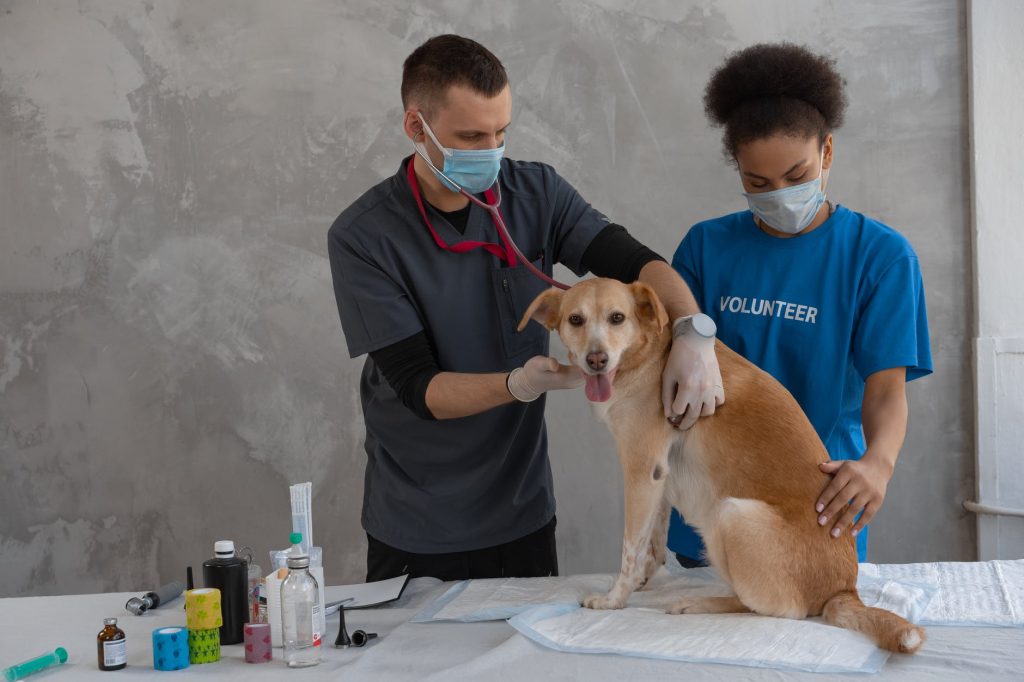
Assuring that your pet is healthy is among the obligations pet owners must meet. This is essential as keeping your healthy pet will allow your pet to live a long time. Pet owners must be prepared with the information to care for their pets and to ensure their wellbeing. There’s a wealth of reliable information on the pet’s health easily accessible to pet parents.

Pet stores are managed by professionals who strive to provide clients with helpful information and products to aid them in keeping their pets healthy. Another source of information is the Internet, which lists websites that provide pet owners with useful information on their pet’s condition.

Information on Pet Health

The most frequently-repeated health concerns discussed in the wealth of information available on the Internet relate to dogs. Information sessions and discussions on diseases that every dog owner should be aware of to better care of their dog. The majority of the information provided is intended to help pet owners understand the importance of taking care of the health of their pets.

Healthy and Balanced Weight

Another aspect pet owners have to keep in mind is weight issues. There are times when it is possible to have an appropriate and balanced diet. There are many leading brands of pet food today that are designed to meet the needs of the developmental stage that your dog is at.

Always seek out advice from your vet regarding the right weight for your pet. Being overweight can lead to serious health problems for your pet, even if it appears cute. Joint problems, arthritis and heart problems, breathing issues, and diabetes are just a few examples. It’s crucial to make sure that your pet receives enough daily exercise. Visit San Roque Pet Hospital for more details about pet health.

Dental Health

Dental issues in pets are very common and often overlooked illnesses. The health of your pet’s mouth is vital to their overall health. Therefore, the requirement for regular dental and gum examinations is now a regular part of the routine visit to your vet. The mouth isn’t only one part of your body that can be affected by dental problems. It could cause serious health problems, like heart, lung, and kidney problems. It is imperative to give your pet the best dental care immediately. Check their dental page to learn more about pet dental care.

Vaccination

There are people who have an emotional view of the health of their pets who may advise that pet vaccine should not be given. If, however, you’re planning to take your pet to a specific vet and seek their advice, listening to them is a good idea. Before you decide, make sure you inform the vet of your concerns. Deworming and dental exams are two instances. Preventive vaccinations must be given to your pet every year, if not more than. Due to the debate about the efficacy of vaccinations, many pet owners choose not to give their pets vaccinations.

Conclusion

Pet owners need to ensure that their pets remain in good health. They must have the necessary information to care for their pets’ health. As a pet’s owner, you must ensure that your pet is well-nourished and happy for many years. Even the most knowledgeable pet owners need help regarding the health of their pets each often. Visit your pet’s vet as soon as you think that your pet is in danger. It’s important to be aware that pet health issues need to be dealt with before they cause problems.

Myths Exposed: Dispelling Five Wildfire Misconceptions

The terrible effect of big wildfires on human life and property is frightening and heartbreaking. Climate change, drought, a lack of funding for preventative initiatives, and other reasons are triggering these fires to become larger and more destructive than ever before, making it crucial for public security to find out how to put them out.

Famous Myths About Wildfire

Wildfires are naturally dangerous; there is no denying it. They travel promptly, and it’s ideal to remain attentive, paying attention to news about what you need to do in particular situations. Nevertheless, numerous wildfire safety myths and methods are widely believed but have not been scientifically confirmed.

Down below are the myths and misconceptions concerning wildfires that you must eliminate to prepare yourself for ablaze.

Myth 1: You cannot protect your property.

While wildfires can be devastating, homeowners can minimize their vulnerability by adopting preventative measures in their yards. Top priority should be offered to the general structure. There are several benefits to having a fireproof roof covering your house. The homeowner needs to remove combustible materials such as leaves in gutters and rooflines.

Individuals can establish a “defensible zone” between their residences and the natural environment. This includes a brush, dried leaves, and woodpiles within 30 feet (9 meters) of any structures. Follow this link to learn more.

Myth 2: There is a lot of time to escape.

Today’s homes burn eight times faster because everything inside is constructed from synthetic. Everything from the rugs and curtains to the furnishings is made of compressed wood, a mix of wood chips and sawdust that has been glued together and is incredibly combustible. Because of its nature, fire moves at a fast rate.

In other words, a room that previously required 15-18 minutes to burn now requires 2-3 minutes before a flashover happens.

Myth 3: Nearby wildfires do not pose a threat to homes.

According to research, embers from a wildfire can travel hundreds of meters away from the wind source. As embers move and settle close to residences, most of them ignite. These embers then start a fire in gutters, yards, and even the structure of a home, if they’re stirred up by great fuel.

Myth 4: Wildfires are natural and should be left alone.

Wildfires position a serious worry due to climate change and require appropriate forest management. According to new information, wildfires have damaged two times as much land in western nations as they used to in the last three decades. Professionals believe that fires will grow in size and destructiveness as climate change progresses, sustained by drier and hotter conditions.

Along with expanding development and decades of policies that needlessly stop forest fires from stirring up, wildfires are becoming a greater risk to individuals and the environment. Click here for more info.

Myth 5: Fires can be avoided by regularly clearing forest land.

A widespread misunderstanding is that logging or tree removal will help in reducing the danger of forest fires and other catastrophes. Logging is extensively seen as ineffective by forest experts. To put it simply, without a forest canopy, the tree stumps and branches left after logging function as a super-fuel for fire.

Final Thoughts

A wildfire is a frightening experience that can take place for anybody. As a precautionary action, you need to boost your security and improve your preventive measures if you live in a region where wildfires occur. In a wildfire, you might always hire fire and water damage cleanup companies to help you fix your property.

Common Diseases in Cats: Symptoms and Treatment Options

It is possible to see your cat acting strangely from time to time. However, you tend not to pay attention and allow it to go. The attitude you show towards your pet could be dangerous since you might not be aware that your pet is suffering from an illness. Although these conditions may not appear frequently, some cat illnesses can be extremely painful and require a lot of attention. Most common cat illnesses are often neglected, and if they are not addressed immediately, the consequences could be fatal for your pet.

Common Cat Diseases

It can be a bit scary when your pet is sick, but it’s essential to stay at peace and follow your vet’s instructions. If your cat becomes sick, it is important to know the issues your veterinarian is discussing. Here’s a brief overview of some common cat illnesses and treatments.

Allergy

Like humans, cats are also allergic to certain things. Dust in the home and genetic conditions, pollen in the air, and many other factors can cause this. It is important to remember that there is no medication to eliminate the symptoms. They only treat the symptoms. The medicines for cats suffering from allergies comprise Amitriptyline, Dexamethasone, Nexium, Prednisone, and Clemastine.

Seizures

When you first witness your pet suffer from an epileptic seizure, it could be a terrifying experience. The most important thing is to remain at peace and take it to your vet in a safe manner. Many different treatments can assist your cat in leading a peaceful and well-balanced life. Gabapentin is a common anticonvulsant medication used by both dogs and cats. A veterinarian might also prescribe it to ease chronic pain caused by surgery or an injury. Check this page for more details about the surgery.

Asthma

If you can hear your cat coughing and gasp, it’s likely because they’re trying to eliminate hairballs. If you notice that your cat is coughing for an extended period and they are experiencing breathing issues and snoring, it’s time to bring it to the vet to have a check-up. Although it’s more frequent, it’s still likely that your cat suffers from feline asthma. It is essential to adhere to your vet’s instructions for using the inhaler.

Exercise and a healthy diet are the two main ingredients for an active and healthy pet. Your cat can’t be healthy just by feeding them scraps of food. Talk to your veterinarian about the most suitable diet for them and adhere to an established feeding schedule. To learn more about pet care, visit www.montecitovets.com.

Additionally, just because you can’t take your cat out for a walk doesn’t mean that you shouldn’t be able to have fun with it at your home. You should be able to keep their fitness up because of this. To properly care for your cat, it is essential to regularly visit the veterinarian and make sure that any medication they are recommended for them is regularly administered. In case of emergency, visit this emergency pet care Santa Rosa.

Conclusion

It’s important to keep in sight that the most important thing you can give your pet is affection and love. You spend your day and nights with them, and you’re the first to be aware of any issues that aren’t right. The most efficient method to treat any illness is to treat it promptly. After that, make certain to follow your doctor’s instructions to the fullest extent possible.

Did You Know That Puff Back Can Start a Fire in Your Home? Check Out Why

The National Fire Protection Association (NFPA) confirmed that US fire departments responded to 346,800 house structure fires per year from 2015 to 2019. This means that, on average, there was a house fire in the country every few minutes. While there are many potential causes of house fires, one common culprit is a puff back.

What Is Puff Back?

A puff back is a phenomenon that can happen when a furnace or boiler malfunctions, causing unburned fuel to be expelled from the unit explosively. This unburned fuel can cause a fire to start in your home, so it’s important to be aware of the risks associated with puff backs and take steps to avoid them.

Puff backs can occur with any heating system but are most common with oil-fired systems. They can also occur with gas-fired systems, but these are less common.

That’s why many homeowners and business owners keep contact numbers of fire restoration companies (like PuroClean McLean) on hand, just in case. These professionals can help clean up the mess and get your home or business back to normal as quickly as possible.

How Does Puff Back Start a Fire?

Puff back can start a fire in several ways, including:

  • One of the most common causes is when soot from the flue gas builds up on surfaces inside the chimney. This soot can easily ignite if it comes into contact with a spark or heat source.
  • Another common cause of puff back is when moisture accumulates in the furnace or boiler. This can happen if the unit isn’t properly vented or if there’s a problem with the chimney. When the moisture turns to steam, it can cause an explosive reaction that blows flames and soot out the unit.

What Can You Do to Avoid Puff Back?

There are a few things you can do to help avoid puff back:

  • Make sure your furnace or boiler is properly vented.
  • Have your chimney cleaned and inspected regularly.
  • Avoid storing flammable materials near your heating system.
  • If you have an oil-fired system, have it serviced at least once a year.
  • If you experience a puff back, call a fire restoration company right away.

What to Do If a Fire Occurs Due to a Puff Back

If a fire starts in your home due to a puff back, take these steps:

  • Go out of the house and call 911.
  • Don’t try to fight the fire yourself.
  • Leave all your belongings and exit the home immediately.
  • Don’t go near the unit if you have an oil-fired heating system. It may still be hot and could explode.
  • Keep a safe distance from the house until the fire department arrives.
  • Call fire restoration professionals near you. Click here to see how it works.

Conclusion

A puff back can start a fire in your home, so it’s important to be aware of the risks and take steps to avoid them. If a fire occurs, make sure you evacuate the house and call 911.

Call restoration experts near you, such as this mold removal Fairfax. This is to avoid causing further damage to your house just because they took so long to arrive. Note that time is crucial when it comes to fires and their aftermaths.

What to Do After a Surgery: 6 Recovery Tips You Can Do for Your Dogs

Every person could realize that a dog is greater than merely an animal. It’s horrible enough when your loved one has surgery, but it’s different when your pet undergoes the same. You need to know that it can’t communicate how it feels or convey what it wants. Surgery can cause fear and stress in both humans and animals. The recovery treatment is straightforward, although your dog will possibly need specific attention for the first couple of weeks following surgery. So how can you assist your dog after having surgery?

How to Assist Your Dog’s Surgical Recovery

If you need to assist your pet canines in recovering fast, you must exercise caution and pay special focus to their needs. Here are 6 easy tips for a successful dog surgical recovery.

1. Help your dog stay warm.

You have to help your dog keep the optimal temperature, particularly because anesthesia can decrease your pet’s capability to regulate its body temperature. Because your dog will not recognize if it’s hot or cold for the first couple of days, keep an eye on its temperature level and try to maintain him warm. You can click here for more details about veterinary surgery and the required care.

2. Keep the floor safe for your pet.

It’s best to maintain your dog on the floor, especially while you’re awaiting the anesthetic to wear off. Your dog may have balance problems even after the anesthetic wears off, making it more likely to stumble and fall from your bed, furnishings, or staircases. Remove obstructions and provide your canine a comfortable place to sleep on the floor for the first several days after surgery.

3. Isolate your pet dog from other animals and youngsters.

Keep a safe distance between your pet dog and other pets and children. Even the loveliest family dog might be a little more temperamental than usual during recovery. Because it is stressed and susceptible, it might snap or attack. Furthermore, other pets and youngsters may be too energetic for a delicate pet recovering from surgery. Pain, stress, and disorientation are all usual post-surgery symptoms that will pass, so do not be worried if your dog is acting strangely. Separating dogs for 2 weeks following surgery is recommended by specialists.

4. Let your pet dog have some fresh air.

You must take your pet outside the facility every few hours, even on the day of surgery. In their pet hospital, your dog will be more likely to need to urinate caused by the IV fluids given throughout surgical treatment. Your pet dog might have accidents indoors, even while resting, if it does not go outdoors regularly to relieve itself.

5. Give your dog lots of water.

Even if your pet does not appear thirsty after surgery, it is critical to keep it hydrated. After surgery, watch your dog’s drinking to ascertain it’s getting enough water. Likewise, provide little food. An animal facility such as the Carlsbad Animal Hospital may advise bland foods like chicken or hamburger meat. However, no treats unless food intolerances.

6. Provide regular wound care to your pet.

To promote faster recovery and restrict the danger of infection, either you or your veterinarian should regularly clean up and change plasters on your pet’s wounds. Preferably, your vet will teach you how to effectively look after its wounds, suggesting that you initially replace bandages 2 or 3 times each day. You’ll be able to check the bandages every couple of days eventually. However, make certain to follow your vet’s advice.

Why Estate Planning for Pets Is Essential

Domestic pets outnumbered children in the United States by four to one, according to 2013 research. Almost half of Canadians possess at least one pet, while 45% of individuals in the United Kingdom have a furry or scaled or feathered companion at home.

There are many family pet owners worldwide, and many of us consider our pets to be members of our families. Why not include our pets in our estate plans? We have them in our travel and day-to-day activities, so why not include them in our estate plans?

How to Care for a Pet While Making Estate Plans

There are a few different ways to include your pet in your estate plans, and which one you choose is entirely up to you. Whatever option you choose, make sure to discuss your preferences with your chosen caregiver and confirm that they are willing to care for your family pet if you die.

Although you cannot legally leave your pets cash or residential or commercial property, you can care for them in other ways. Alternatively, you may enroll your pet in a wellness plan. Numerous services provide this, allowing you to care for your pet on an economical basis. For additional information regarding wellness plans, visit websites such as CentralValleyAnimalHospital.com.

Testaments

Your first option is to include your pet and their caretaker in your will. To do so, choose a pet guardian and decide how much money you want to set away for your companion’s upkeep and maintenance. If you do not already have a clinic, you should start looking for one so that your new caretaker does not have to. There are many facilities available, but it is important to find a reputable vet Rainbow City AL to alleviate your concerns.

Trust Account

The second and safest method is to include your pet in your Trust account. You can name a caretaker and a specific care strategy in your Trust.

You can specify how much you want to leave them for family pet care, how you want them to care for your pet, and even appoint an agent to enforce your wishes in court if your caretaker does not comply.

Why should my pets be considered in my will?

Including your pets in your estate plan ensures that they will be cared for after you pass away. Suppose the pets do not go to someone they know and Trust (such as the owner’s loved ones). In that case, it may be difficult for your family pet that has recently lost its owner and has become accustomed to a particular way of life since they will wind up in a shelter if you do not have estate preparations for them.

Why is living in a shelter so stressful for your pet?

Shelters may be able to care for your pet while they search for a suitable home. Rehoming pets accustomed to living in specific circumstances (such as being the only pets or not being around children) can be difficult. Your pet could end up spending a long time in a shelter waiting for the right family. It also increases the number of animals in a shelter, causing a blockage that restricts space for abandoned or abused animals.

Including your pets in your preparations ensures that they will be cared for in the event of an emergency. Choosing a guardian and discussing your pet’s needs and preferences ensures that Mittens or Barkley will continue to receive late-night feedings. You can also register them with a pet boarding facility. This is preferable to your pet trying to adjust to its new life than at a shelter with too many other animals, check their boarding page for additional information.

Last Thoughts

We must respect our family pets as members of our household. If something happens to you, planning for your family pet’s entire life is a terrific way to ensure that they receive the care, love, and dedication they require. We incorporate our pets in almost every aspect of our lives, so it only makes sense to plan for their futures while we prepare for our own.

Rainy Weather: Debunking The Myths and Misconceptions

When you think about the stormy season, photos of steaming tea and crunchy biscuits come to your mind. However, water splashing from roofs, sloppy puddles, dampness, and, worst of all, diseases often diminish the season’s overall enjoyment.

Popular Myths During the Rainy Season

Much fascinating mythology can be discovered in our backyard. Friends, family, and neighbors – every person has a story to share, specifically when the weather turns bad. Numerous stormy season myths have been passed down through the generations, from green veggies becoming unhealthy to consuming throughout the wet season to get the virus by resting beneath a fan or air conditioner after being drenched in the rain.

Numerous well-known weather misconceptions have been taken a look at; yet, while some might appear odd, some have a bit of truth.

Myth #1: Getting soaked in the rain will cause you to get sick.

It has long been believed that when individuals are drenched in the rainfall, they catch a cold. While this statement is mostly correct, the change in your surrounding temps creates you to catch a cold. On the other hand, the rains bring with them bitterly cold temperatures, and it is this abrupt change in weather triggers sniffles, sneezes, and a drippy nose.

As you become accustomed to the rainy season, it is important to remember that your property is subject to damage from excessive rains. You can employ a restoration company, such as a property remediation company, to fix your home if you feel it has been damaged.

Myth #2: Birds stop singing when a storm approaches.

Birds are outstanding weather forecasters, and many weather proverbs are based upon them. The truth that they have more than likely flown away could discuss why they become silent before a storm. Research supports the concept of early departure and return of the golden-winged warblers from storms. Birds are meant to discover sounds that individuals can not, such as winds and oceans, even though they are too early to locate changes in atmospheric pressure.

Myth #3: Fever sets in when you’re sitting under a fan or an air conditioner when soaked.

Our immunity decreases with sudden temperature changes, opening us to cold virus infections. This could discuss why people are susceptible to the common cold throughout the wet season and winter. Certainly, sitting near an air conditioner vent or under a fan has nothing to do with this. While freezing air from an AC vent might not trigger a fever, the virus is disseminated if the air distributed within an air-conditioned area has a cold infection. 

You may catch a cold as a result of this. One thing to keep in mind is that your home is susceptible to mold infestation due to the rain. It’s the ideal environment for mold to grow with just the proper humidity. If you notice early signs of mold growth in your home, you may call restoration companies that provide mold inspection services for advice on what you need to do to eliminate the mold properly.

Myth #4: Seafood should be avoided during the rainy season.

Any fish fanatic can safely discard this one. Although fishing is forbidden throughout the rainy months due to contamination in some areas, there are times when there are no fish to be found. Technology has advanced, and the moments have changed. Local fishers and traders reproduce fish to match the needs of fish lovers all across the country, so regardless of where you stay now, you might eat your preferred fish meal, even on days of hefty rains. These fish are risk-free to consume.

Conclusion

While we all like hearing myths and stories, it is also important to verify their truth. Allowing the rain to take control of your daily routines and pull you down is not a good idea. Slow down, keep cozy, and unwind. May these refuted beliefs make you feel comfortable as you benefit from the wet weather.

Vaccinating Your Own Pet: What You Should Know

Vaccines have developed into powerful treatments to shield us from the most dangerous and deadly diseases. The advantages of vaccinations aren’t just for animals and humans since every pet owner knows that there are a variety of vaccines you can get for your cat and dog. These vaccines will keep your pet safe and healthy. They also help in living a longer, healthier life.

Pet Vaccinations

Taking care of a pet isn’t as you think. It is important to consider their diet, the place they rest, and the amount of exercise they do. It is also essential to ensure that they’ve got the right vaccinations to ensure their health.

“What vaccinations does my pet require?” you might ask. It is suggested that you consult your pet’s veterinarian regarding the matter. But, learning more regarding your pet’s needs before calling your veterinarian is a good idea.

Types of Vaccinations

Range varieties of vaccines are available to cats and dogs. They are developed to protect against the most prevalent and less well-known but fatal illnesses. The shots must be taken to safeguard your pet from:

1. De-worming Vaccine

This is typically given to puppies and kittens to prevent worms from growing inside the intestines. Your veterinarian might recommend getting the shot every month, or at least once every year. It’s recommended to speak with your pet’s veterinarian. Since worms eat nutritional elements of pet food before being digested, this procedure is crucial. Likely, your pet doesn’t move around as they should due to their hunger. Click here to find out more about pet vaccinations.

2. Rabies Vaccine

To prevent the rabies virus, all pets are given this vaccine when they are young. This vaccine is only required once a year to ensure your pet’s safety. The rabies virus is dangerous to animals, and it can be fatal to humans as well. The deadly illness can be transmitted through an injury or saliva that has been absorbed from the open wound. Humans are treated using a painful shot within a stomach to combat the condition. There’s no cure for rabies as of yet.

3. Distemper Vaccine

This is the final vaccine in the sequence of seven you’ll have to provide to your pet to protect against Hepatitis and adenovirus, along with parainfluenza and parvovirus. These diseases can be fatal in your animal. The pet you love is insured from illness through the distemper vaccine, and you don’t need to worry about their health. Get a pet wellness plan right here.

Are Vaccines for Pets Required?

Pet owners may think that their pets aren’t needed to get vaccinations. Some believe that the vaccine isn’t necessary when you don’t let your pet be outside. Furthermore, some pet owners may be worried about the potential risks of vaccinations.

Where Can You Get Vaccines for Your Pet?

If you’ve decided to give your pet vaccines suggested by members of the veterinary community, it’s essential to pick the right location where the vaccines will be provided. The vaccines are administered to many individuals during an annual veterinarian examination. Due to the high cost of this treatment, some people look for less expensive alternatives such as mobile vaccine clinics that come to them. For more information about pet vaccinations, visit www.acgasvet.com.

Conclusion

Your pet will have a wonderful life after they’ve received all the vital vaccinations. Everyone wants to avoid suffering from an illness or disease. It is the same for your pets. The majority of people see their pets as an addition to their family. Pets provide companionship and affection. So why not treat your pet with the same love and respect as you pay yourself? Your pet’s well-being is your top concern. They will appreciate it when you care for your pet’s health and provide them with the most essential things to prevent ailments.

How to Address Cancer in Dogs

How to Address Cancer in Dogs

Hearing the news that their dog is diagnosed with cancer could be frustrating for any pet parent. Nobody wants to hear that their fur baby will be fighting cancer; however, it typically occurs to canines more than ten years old; however, it does not eliminate the possibility of affecting younger puppies.

Like in humans, dogs are prone to getting different sorts of cancer. Fortunately, a lot of it can be treated, and the way veterinary oncology manages cancer in dogs is very much the same treatment used in humans.

Common Types of Cancer in Dogs

  • Mammary Cancers – are more common in female dogs that are not spayed or were spayed after two years old. Mammary tumors make up 42% of female dogs’ cases; this risk is even higher compared to breast cancer for women.
  • Mast Cell Tumors (MCTs) – are common in canines, representing roughly 20% of all skin tumors in dogs. MCTs can occur in any part of the body and vary in appearance. It can be very invasive and typically grow back even after surgical removals.
  • Melanomas – malignant melanoma is a type of skin cancer in dogs; most happen on the mouth or mucous membranes, although 10% are found on parts of the body covered with hair. They tend to escalate and affect other organs such as the liver and the lungs.
  • Lymphomas – are a diverse group of cancers. This is also among the most typical in canines, accounting for 7-14% of all cancers detected. Lymphomas may likely affect any organ in the body however are most common in lymph nodes.
  • Hemangiosarcomas – are malignant tumors stemming from the cells lining blood vessels. It’s prevalent in geriatric dogs accounting for around 5% of cancer instances. Hemangiosarcoma can develop anywhere where there are blood vessels.
  • Osteosarcomas – are malignant tumors of the bone. This cancer has the same appearance as human pediatric osteosarcoma. The long bones in arms and legs are most commonly affected, although the jaw, hips, and hips might likewise be affected.
  • Lung Cancers – are relatively rare in canines; of all the cancers diagnosed, lung cancer represents simply 1% of the cases. This type of cancer has a moderate to high risk of metastasis.

Dealing with Canine Cancer

Acknowledge that cancer in dogs is common; about 47% of fatalities in dogs result from cancer. Early prevention is the key to cancer avoidance; it needs to begin while the dog is very young. Your family veterinarian is still the best source of relevant information regarding your dog’s overall health.

There are also numerous vet facilities with a vast array of specializations that you can visit when your dog starts showing signs and symptoms beyond the reach of the regular veterinarian. Visit websites such as BGVets.com to learn about specialty facilities.

Cancer treatment starts with proper medical diagnosis and staging. Therapy could be a mix of chemotherapy and surgery, radiation, immunotherapy, and chemotherapy only. Your pet’s oncologist is in the best position to chart the therapy options that would fit your dog’s condition best. Learn more about veterinary oncology treatments.

When lung cancer is in its advanced phase, emergencies render the dog incapable of breathing. Other problems like a malignant tumor pressing on critical tissue and your dog’s life hang in the balance; or when a blood vessel ruptures in case of hemangiosarcoma. You need to bring your dog rapidly to vet emergency facilities for quick medical interventions in these circumstances.

Conclusion

The innovation of veterinary oncology gives hope to so many pet animals. Vaccines are available for some types of cancer for dogs. Spaying and neutering also reduced the possibility of getting some form of cancer. Treatment options to combat cancer abound.

Animals tolerate therapies like chemotherapy a lot better than people. After treatment, some dogs have diarrhea or vomiting, but most don’t experience adverse effects. Cancer research for animals is making good progress; ideally, this will equate to preventative, treatment, and cure soon.