Why Regular Vet Check-ups are Essential to Your Pet’s Health

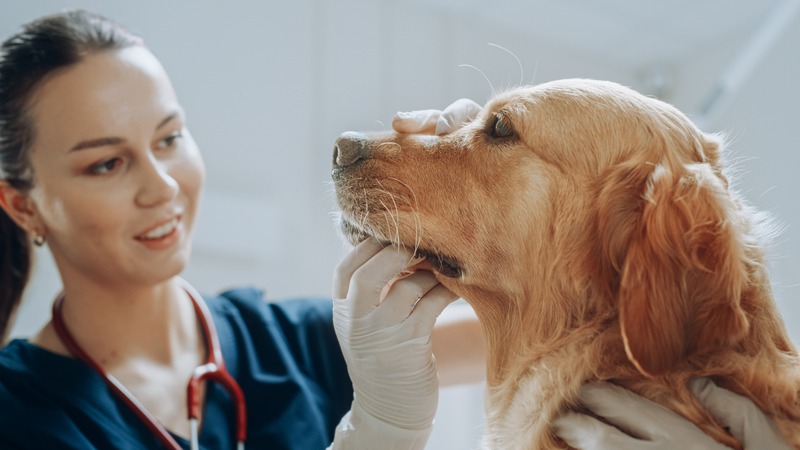
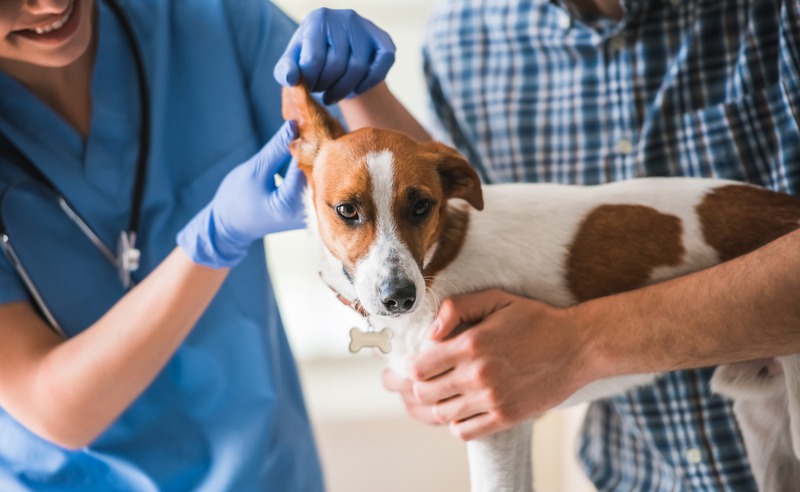
Our pets are more than just animals; they are beloved members of our family. As such, their health and well-being are of paramount importance to us. Many pet owners understand the urgent need to visit the vet when an animal is visibly sick or injured, but routine vet check-ups are sometimes overlooked. Consistent vet visits play a crucial role in keeping our pets healthy, preventing diseases, and ensuring their overall quality of life. Let’s dive deep into why these regular check-ups are vital and how they benefit our furry companions.

Understanding Comprehensive Pet Care

Comprehensive pet care encompasses all aspects of your pet’s health, including physical, mental, and emotional well-being. It requires a proactive and preventive approach rather than a reactive one. A big part of this is ensuring that you’re up to date with your pet’s routine vet check-ups.

  • Early detection: Early detection of health issues can make a significant difference. During a check-up, the vet can spot the initial signs of a problem that you may not recognize. Early diagnosis often means easier and more effective treatment.

  • Preventive Measures: Preventive care is a key component of comprehensive pet care. Visits to the vet can prevent problems before they start with strategic care like vaccinations and parasite control.

  • Medical History: A detailed medical history is essential in monitoring and maintaining your pet’s health. With regular visits, the vet can track your pet’s health over time, making it easier to identify potential issues that may arise.

Maintaining Wellness Through Regular Vet Visits

Wellness is about helping your pet live a healthy life through regular care and check-ups. Your vet is your partner in this, providing professional health assessments and interventions as needed.

  • Wellness Exams: Regular wellness exams are essential. During these, vets do thorough check-ups to monitor your pet’s health and catch any changes that might indicate illness.

  • Behavioral Insights: Vets can assess changes in behavior that may be signs of health issues. Since you’re the one who knows your pet best, sharing your observations can be very helpful.

  • Nutritional Counseling: Diet plays a huge role in the health of your pet. Veterinarians can provide advice on what to feed your pet based on specific health needs or life stages.

The Critical Role of Pet Health Check-ups

Health check-ups are a prime opportunity for vets to conduct comprehensive assessments of your pet. All aspects of wellness are considered, from teeth to tail.

  • Vaccination: Vaccinations are essential for keeping illness at bay, and pet vaccinations in Dunnellon, FL, can safeguard your pets against potentially deadly diseases.

  • Dental Care: Good oral health is just as important for pets as it is for humans, and regular dental care can prevent many related health issues.

  • Geriatric Care: As pets get older, they need more frequent check-ups to monitor for common age-related problems.

Navigating Vet Clinic Appointments and Services

Going to the vet can be an anxious experience for some pets, but your preparation can help make it a more positive experience for your furry friend.

  • Preparation: Write down any questions or concerns you have in advance of your appointment so you won’t forget to mention them.

  • Understand Services: Know what services your vet clinic offers, including primary care, emergency services, and special procedures.

  • Follow-ups: Based on what the vet finds, they may recommend follow-up visits, tests, or treatments to ensure your pet stays healthy.

Benefits of Structuring Dog Wellness Plans

Developing a structured wellness plan for your dog is a great way to ensure they receives regular care and that you have financial predictability.

  • Preventive Care: Wellness plans typically cover the basics of preventive care, which might include regular check-ups and standard treatments.

  • Budget Management: With dog wellness plans, you can avoid the stress of unexpected vet bills by making predictable payments.

  • Discounted Services: Many wellness plans come with the perk of discounted services, which can make caring for your dog more affordable.

The Importance of Visiting the Vet

A good relationship with your vet is one of the most valuable resources you can have as a pet owner. Visits to the vet aren’t just for when your pet is sick; they are also about maintaining health and preventing future issues.

  • Professional Expertise: Vets have the expertise and experience to identify and treat illnesses in ways that are beyond the capacity of even the most dedicated pet owner.

  • Resource for Advice: Vets can provide invaluable advice on all aspects of pet care, from diet to behavioral issues.

  • Emergency Preparedness: In an emergency, you need to know where to turn. Facilities like Dunnellon Animal Hospital can provide immediate and lifesaving care when your pet needs it most.

Emergency Pet Services and When to Use Them

No pet owner wants to be in a situation where their pet needs emergency care, but knowing what constitutes an emergency and where to find help is essential.

  • Recognizing Emergencies: Some situations, such as a pet that is unresponsive or in severe pain, clearly require emergency services. Know the indicators so you can act quickly.

  • 24/7 Access: It’s important to know the location and contact information of pet hospitals that offer around-the-clock emergency care. They can provide critical services at a moment’s notice.

  • Contingency Planning: Have a plan in place for emergencies, including phone numbers, directions to the nearest pet hospital, and a pet first-aid kit.

The Role of Pet Hospitals in Your Companion’s Life

Pet hospitals are a hub for both routine and emergency pet services, offering a wide range of care tailored to every stage of your pet’s life.

  • Regular Services: Pet hospitals offer a multitude of services, from general check-ups to specific procedures like spaying and neutering surgeries or pet dental care.

  • Emergency Care: They’re also equipped to handle urgent medical needs, employing the full breadth of their facilities and expertise to treat your pet’s emergency.

  • Continuity of Care: Building a relationship with a pet hospital means that there’s a consistent and comprehensive understanding of your pet’s health history and needs.

Embracing Preventive Pet Healthcare

Preventive healthcare is all about stopping health problems before they start. It’s a proactive measure owners can take to keep their pets healthy, thus avoiding more serious issues and treatments later on.

  • Vaccinations: Staying up to date on vaccinations is crucial to preventing highly infectious and potentially deadly diseases in pets.

  • Parasite Control: Regular preventive treatments, such as flea and tick prevention and deworming, are critical for keeping your pet free from parasites and the diseases they carry.

  • Weight Management: Vets can work with pet owners to help pets maintain a healthy weight, providing guidance on diet and exercise that can stave off health problems like diabetes and heart disease.

Final Thoughts

Consistent veterinary care is the foundation upon which a long, healthy, and joyful life is built for our pets. By engaging in regular vet check-ups, you can ensure your pet is protected from health issues and is receiving the best care possible. Each visit to places like an animal hospital or a vet clinic is an opportunity to enhance your pet’s well-being. 

Through preventive care, early detection of health issues, and a partnership with your veterinarian, you can enjoy the journey of pet ownership, knowing you’ve done everything within your power to ensure a long and happy life for your furry friend. Their health and happiness are in your hands, and with the support of veterinary professionals, you can provide the compassionate care they deserve.

What Are the Indications Your Pet Needs Surgery?

As a pet owner, the thought of your beloved furry friend undergoing surgery can be daunting. However, recognizing when surgery is necessary can significantly enhance your pet’s quality of life. This article will explore the various indicators that suggest a pet may need surgical intervention.

Indications for Pet Surgery

Changes in Physical Activity

  • Limping or Reluctance to Move: Persistent limping or reluctance to move may indicate musculoskeletal issues or joint problems that could require surgical assessment.

  • Difficulty Standing or Lying Down: Difficulty in basic movements may suggest orthopedic or neurological issues that could be addressed through surgery.

  • Decreased Activity and Playfulness: A sudden decrease in activity and playfulness, especially in typically active pets, may indicate underlying health issues that could benefit from surgical evaluation.

Behavioral Alterations

  • Increased Aggression or Irritability: Behavioral changes, including increased aggression or irritability, may sometimes be linked to pain or discomfort that surgery could address.

  • Withdrawal from Social Interaction: Unexplained withdrawal from social interaction might be associated with pain or underlying health conditions.

Visible Health Issues

  • Persistent Lumps or Swellings: Unexplained lumps or swellings that persist may necessitate surgical biopsy or removal to determine their nature and address any potential issues.

  • Open Wounds That Do Not Heal: Non-healing wounds may require surgical intervention to promote proper healing and prevent complications.

  • Obvious Pain When Touched: Signs of pain, especially when certain areas are touched, may indicate the need for surgical exploration or treatment.

Abnormal Eating and Digestive Patterns

  • Loss of Appetite or Refusal to Eat: Persistent loss of appetite or refusal to eat could be indicative of various health issues, and surgery may be needed for diagnosis or treatment.

  • Unexplained Weight Loss or Gain: Significant and unexplained changes in weight may signal underlying health problems that require surgical attention.

  • Chronic Vomiting or Diarrhea: Gastrointestinal issues may necessitate surgery for diagnosis and treatment.

When cat surgery is the recommended course of action, understanding the preparation and aftercare is vital for ensuring your pet’s smooth recovery.

Detecting the Less Obvious Signs

Not all signs that indicate a need for surgery are visible. Understanding your pet’s normal demeanor and staying vigilant can help in identifying subtle changes that may signify a deeper issue.

  • Respiratory Changes: Signs such as persistent coughing or difficulty breathing may be subtle yet indicate serious conditions requiring surgical treatment.

  • Urinary or Fecal Concerns: Changes in urination or bowel movements, such as difficulty urinating or blood in stool, can also be indications of underlying problems necessitating surgery.

It is paramount to consult with a vet if you notice any of these indications. A professional can provide an accurate diagnosis and recommend whether surgery is the right approach.

Post-Surgery Recovery Tips

  • Creating a Safe Recovery Space: After surgery, your pet will need a quiet and comfortable place to recover. Here’s how to prepare the perfect recovery area.

  • Understanding Post-Op Instructions: It’s essential to follow your vet’s post-surgery instructions carefully. Here’s what to keep in mind.

  • Monitoring Your Pet’s Healing Process: Keeping an eye on your pet’s recovery and recognizing if there are complications is crucial. Learn how to monitor your pet’s surgical site and other health indicators.

  • Diet and Medication Management: Ensuring your pet follows a proper diet and medication schedule post-surgery is a vital part of the recovery.

Assessing the Risks and Benefits

Surgery is not without its risks. Understanding the potential complications and weighing them against the benefits is essential for making an informed decision.

The Importance of Dental Care for Pets

Ensuring proper dental care for your pet is essential for their overall health. Beyond routine cleanings, severe dental issues may require specialized attention, possibly leading to the need for surgery. A veterinarian with expertise in pet dental care is instrumental in addressing these concerns.

  • Routine Dental Maintenance: Regular dental care, including brushing your pet’s teeth and providing dental treats or toys, helps prevent the buildup of plaque and tartar. Routine cleanings by a veterinarian are crucial for maintaining oral health and preventing more severe issues.

  • Addressing Severe Dental Conditions: A veterinarian specializing in pet dental care can identify and address severe dental conditions. Issues such as advanced periodontal disease, tooth fractures, or oral tumors may require surgical intervention. Prompt diagnosis and treatment are vital for preventing further complications.

  • Surgery for Dental Problems: Severe dental problems may necessitate surgical procedures, including tooth extractions or oral surgeries. Surgical intervention becomes essential to alleviate pain, prevent the spread of infection, and enhance the overall well-being of the pet.

Navigating the World of Internal Medicine

Apart from dental care, internal medicine plays a pivotal role in managing complex medical conditions in pets. Veterinarians specializing in internal medicine are crucial for addressing conditions such as diabetes, heart disease, or kidney failure, providing non-surgical treatment options.

  • Management of Chronic Conditions: Internal medicine specialists focus on managing chronic conditions that affect internal organs and systems. This includes developing comprehensive treatment plans for diseases like diabetes, where ongoing care and monitoring are essential.

  • Heart Disease Treatment: Heart disease in pets may require medications, dietary adjustments, and regular monitoring. Internal medicine veterinarians play a key role in devising treatment strategies to manage heart conditions and improve the quality of life for affected animals.

  • Diagnosis and Treatment of Kidney Failure: Kidney failure is a serious condition that requires careful diagnosis and management. Internal medicine specialists can determine the underlying causes, recommend appropriate treatments, and monitor the progression of kidney disease in pets.

  • Collaboration with Other Specialists: Internal medicine veterinarians often collaborate with other specialists, including surgeons and diagnostic imaging experts, to provide comprehensive care. This multidisciplinary approach ensures that various aspects of a pet’s health are addressed effectively.

Conclusion

Determining whether your pet requires surgery can be challenging, but staying informed and vigilant can make all the difference. Trust the signs, consult with professionals, and prepare for your role in their recovery, and you’ll ensure the best care for your beloved companion.

What Services Do Full-Service Animal Hospitals Offer?

As a pet parent, the health and well-being of your furry family members are of utmost importance. In the event of illness or emergency, you need a reliable place that offers comprehensive care and a multitude of services for your pet’s needs. 

Full-service animal hospitals are more than just veterinary clinics; they are the one-stop shop for pet healthcare. Offering a range of services from preventative care to emergency surgery, these facilities are equipped to handle every aspect of veterinary care with a gentle and professional touch.

The Variety of Services Offered

So, what exactly can you expect when you walk into a full-service animal hospital? While services may vary slightly from one to another, here’s an extensive look at the kind of offerings you might find.

1. Veterinary Check-ups and Preventative Care

  • Routine Examinations: Yearly check-ups are vital for maintaining your pet’s health.

  • Vaccinations: Protect your pet against a variety of diseases.

  • Parasite Prevention: Expert advice and treatments to keep fleas, ticks, and worms at bay.

2. Advanced Medical Treatments

  • Emergency Services: For those unforeseen accidents and illnesses that need immediate attention.

  • Dental Care: Regular cleanings, extractions, and dental treatments to maintain oral health.

  • Surgical Services: From spaying and neutering to complex surgeries, performed with precision and care.

3. Laboratory Services

A veterinary diagnostic lab is the backbone of an animal hospital when diagnosing health issues. With advanced equipment, they perform blood tests, urinalysis, X-rays, ultrasounds, and biopsies. Accurate and timely diagnostics are essential for treating your pet effectively.

4. Specialized Care

  • Oncology: Cancer treatments tailored to extend and improve the quality of your pet’s life.

  • Cardiology: Heart health management, including diagnosis and treatment.

  • Internal Medicine: For complex internal conditions requiring specialized expertise.

In the field of specialized care, the role of an internist is particularly crucial for pets suffering from puzzling health issues. An internal medicine vet in Boynton Beach, for instance, would employ advanced diagnostics and therapeutic techniques to manage chronic illnesses like diabetes, GI disorders, or hormonal imbalances.

5. Rehabilitation and Physical Therapy

  • Laser Therapy: Promotes healing and pain relief.

  • Physical Therapy: Custom plans to aid recovery from injury or surgery.

  • Hydrotherapy: Water-based therapy for gentle rehabilitation.

Additional Amenities for Pet and Pet Parent Convenience

Full-service animal hospitals understand that pet care extends beyond medical treatment. They go the extra mile to offer additional amenities for both the pet and their owners.

  • Pet Boarding and Lodging: When you have to travel and leave your furry friend behind, you want a home away from home for them. A pet hotel within an animal hospital offers peace of mind, knowing that experienced staff are looking after your pet. Facilities such as dog boarding at Coral Breeze Animal Hospital are examples of places where your pet can stay comfortably and be monitored by veterinary professionals during their stay.

  • Grooming Services: Many full-service animal hospitals offer grooming services to keep your pet looking and feeling their best. From baths and haircuts to nail trimming and ear cleaning, professional groomers can do it all.

  • Pharmacy: For the convenience of pet parents, an on-site pharmacy allows immediate access to prescribed medications, dietary supplements, and prescription diet foods.

Education and Support for Pet Owners

Education plays a significant role in preventing health issues in pets. Full-service animal hospitals often provide resources and consultations to keep owners informed about the best practices for pet care.

Nutritional Counseling

Understanding what to feed your pet can be confusing. Veterinary professionals at these hospitals can offer guidance on diets that fit your pet’s specific health needs, age, and lifestyle.

Behavioral Counseling

Behavioral issues can disrupt your household and cause stress for both you and your pet. Animal hospitals might offer consultations or refer you to a specialist to help address and correct these challenges.

Emergencies and Critical Care

Accidents, injuries, and sudden illnesses are a pet owner’s nightmare. Full-service animal hospitals shine in these dark hours, providing emergency services with state-of-the-art facilities and specialized personnel ready to spring into action. Whether it’s a broken bone or a cardiac event, they have the technology and expertise to provide immediate, life-saving care.

Pet Adoption and Community Services

Community involvement is another hallmark of many full-service animal hospitals. Some partner with local shelters and rescue organizations to provide care for homeless pets and help with adoption efforts. They may also host community events, such as vaccination drives or educational seminars, to promote public awareness about pet health and safety.

Final Thoughts

The comprehensive care provided by full-service animal hospitals offers pet parents convenience, assurance, and the comfort of knowing that their pets can receive all the care they need in one place. From preventative wellness plans to critical care and specialized treatments, these institutions are dedicated to the health and happiness of the animals in their care. A visit to such a facility is not just about dealing with the present concerns but also about building a foundation of good health for your pet’s future.

Which Symptoms Require Urgent Vet Surgery for Old Dogs?

As our beloved pooches enter their golden years, they become more like family than mere pets. We cherish every moment with them but also recognize that aging brings many health challenges. One of the most nerve-wracking situations for any dog owner is spotting symptoms that might indicate a need for urgent veterinary surgery—knowing what to watch out for and when to get professional help. In this article, let’s walk through some vital signs that should have you heading to the vet with your senior furry friend.

Detecting Urgent Health Issues in Senior Dogs

Deterioration in an old dog’s health can happen quickly, and specific symptoms are red flags that medical intervention may be needed pronto. Let’s dive into the specific signs that signal a potentially critical situation.

Breathing Difficulties

If your old dog is struggling to breathe, gasping for air, or coughing severely, it could indicate a range of severe conditions, from heart failure to respiratory disorders. Rapid breathing or panting is not uncommon in dogs, but when it’s excessive and accompanied by distress, it’s time to act fast.

Changes in Abdominal Size or Shape

An enlarged abdomen can mean different things, some of which cause serious concern. Ascites, or fluid buildup in the abdomen, could suggest heart failure, a mass, or liver problems, all of which could require surgical intervention.

Sudden Collapse or Severe Lethargy

When a typically energetic dog suddenly can’t get up or doesn’t respond to stimuli as it used to, it’s worrying. The collapse could be the result of a heart condition, internal bleeding, or severe metabolic disorders—each potentially demanding surgery.

Non-Healing Wounds or Swelling

Older dogs often heal more slowly than younger ones. Still, wounds that show no signs of healing or unusual swellings may indicate cancer or severe infections that could warrant surgical removal or treatment.

Unexplained Weight Loss

If your dog is shedding pounds without any change in diet or activity levels, it’s not something to ignore. Weight loss in older dogs can be symptomatic of many underlying diseases, some of which may be surgically treatable.

Severe Pain

Pain is an obvious indicator that something isn’t right. If your dog is in continual distress, cannot be comforted, is aggressive when touched, or is whining and groaning, it might be facing a condition that requires immediate surgical attention.

Gastrointestinal Obstructions

Is your dog vomiting frequently, unable to eat, or experiencing severe diarrhea or constipation? These could all point towards a blockage in the gastrointestinal tract—a common issue that can be lethal if not treated surgically in time.

Deciding When Surgery Is the Right Call

Deciding on surgery for an older dog is daunting. We often worry about the risks, wondering if they are too great given our dog’s age and overall health. However, delaying or avoiding necessary surgery could lead to further complications or even reduce your pet’s quality of life.

Here’s an essential checklist to consult when deciding if surgery is necessary:

  • Consult with your vet. They will offer professional advice on whether surgery is the right option.

  • Consider your dog’s overall health, apart from the current crisis. For example, a strong heart and good kidney function would make surgery more viable.

  • Age alone shouldn’t be a deal-breaker. Many older dogs handle surgery well, particularly if they’re otherwise healthy.

  • Balance quality of life against potential surgery benefits. If surgery significantly alleviates pain or extends your dog’s life satisfactorily, it may be worth the risks involved.

When pondering the importance of veterinary care for senior dogs, remember that regular check-ups and early detection can be life-saving. Veterinary care is about providing the best quality of life for our aging companions, sometimes including surgery.

If You Need Immediate Care

Knowing when your puppy needs puppy care is one thing, but knowing where to find it is another. Knowing a reliable place for your pet is crucial for those in crisis. Suppose you are looking for a pet boarding in Gardena, CA. In that case, choosing a facility that ensures your pet’s safety and comfort and access to urgent veterinary care is essential. Finding a trusted place that provides a home away from home for your senior dog, especially when they’re not feeling well, can give you peace of mind.

Preparing for Your Dog’s Surgery

If it turns out that surgery is the best course of action, preparing yourself and your dog is essential. Ensure you understand the procedure, the risks, and the aftercare involved. A well-informed plan can help reduce stress for both you and your dog.

Here are the steps to prepare for dog surgery:

  1. Discuss all pre-surgery instructions with your vet, including fasting guidelines.

  2. Arrange for post-surgery care at home. You must keep your dog calm and contained, away from stairs and other hazards.

  3. Gather all necessary supplies, such as a dog bed for comfortable rest, easy food on the stomach, and possibly a doggy ramp if mobility is an issue.

  4. Adjust your schedule to ensure you can assist with your dog’s recovery.

Furthermore, to learn more about vet surgery, click the link. This will direct you to detailed information on what surgical procedures entail, the types of surgeries available for different conditions, and how to provide the best aftercare for your senior dog.

After the Surgery: Recovery and Care

Post-surgery care is as critical as the surgery itself. Your vet will give you specific instructions for your dog’s recovery phase, and these could include:

  • Medication administration guidelines

  • Wound care and monitoring

  • Restrictions on activity and information on how to help your dog move safely

  • Dietary changes or recommendations

Following your vet’s advice to the letter is critical. Keep in close contact with your veterinary clinic, and don’t hesitate to reach out if you have questions or concerns as your dog heals.

Final Thoughts

Watching our old dogs face health issues is tough, but being proactive and knowing when urgent care is necessary can make a big difference. Look out for the warning signs, consult your vet promptly, and prepare thoroughly for any recommended surgery. Recovery might be a slow process, but with tender love, care, and diligent follow-up, you can help your senior pal enjoy their twilight years with the comfort they deserve.

Why is Consistent Vet Care Crucial for Your Pet’s Wellness?

Choosing to add a pet to your family is a decision that comes with multiple responsibilities. One of the main responsibilities is ensuring that your pet is healthy and well-cared for. A crucial part of maintaining your pet’s wellness is through dependable and consistent vet care. Let’s delve into why vet care is so vital for your pet’s wellness.

The Vital Role of Consistent Vet Care

Pets, just like humans, need to see health professionals from time to time. Pet owners must understand that they must provide regular and consistent vet care for their furry friends. This care is incredibly beneficial in many ways.

  • Disease Prevention: Just think about it: when you take your pet for a vet visit, they get the necessary vaccines, which keep them safe from a variety of ailments. These vaccines are essential in maintaining your pet’s health and preventing illness.

  • Early Detection of Illness: Another great benefit of consistent vet care is that vets can detect signs of sickness early. This is crucial as early detection often leads to timely and effective treatment.

  • Guidance on Proper Nutrition: It’s also essential to remember that during vet visits, pet owners receive advice on the right nutrition for their pets. This advice is based on various factors, including their pet’s size, breed, and age.

Importance of Different Types of Pet Services

Many times, we think that vet care just revolves around sick visits, vaccinations, and routine check-ups. The truth is pet services go beyond that. Quality pet care is a combination of multiple services, including grooming and boarding. Dog vaccinations play a crucial role in the prevention of several fatal diseases in dogs.

  • Pet grooming services: This includes services like bathing and trimming pets’ fur and nails. These services ensure that your pet is clean and help improve their overall health.

  • Pet boarding services: These services come into play when pet owners have to travel, and can’t bring their pets along. Reputable pet boarding facilities ensure that pets are well-cared for during the pet owners’ absence.

  • Pet daycare services: Daycare services are for those times when the pet owner has to go to work or somewhere else during the day. With these services, they can rest assured their pets are looked after and safe.

The Role and Importance of a Pet Hospital

Have you ever thought about what it takes to keep your pet in good health? One of the most crucial aspects of pet well-being is a pet hospital. Vets in Kingman, Arizona and across the world agree that pet hospitals play a pivotal role in pet health.

  • Pet health care services: This involves a wide range of services, including things like dental checks and vaccines, which ensure pets stay healthy.

  • Emergency veterinary services: Sometimes, emergencies occur. Maybe your pet has been in a nasty accident, or they’ve eaten something toxic. In such cases, emergency veterinary services come in handy. They are equipped to handle a variety of pet emergencies, ensuring your pet gets the help they need as fast as possible.

  • Preventive care for pets: This involves routine checks that help to detect potential health issues before they become major problems.

What to Expect During Regular Vet Visits

In your pet’s life, routine trips to the vet should be standard. Whether it’s to see a regular vet or for a visit to a dog dentist in Kingman, AZ, regular vet visits are beneficial in a myriad of ways.

  • Pet medical consultation: During a vet visit, pet owners can discuss any observations or worries they have about their pet’s health. This gives vets a chance to address these concerns and give the required advice or treatment.

  • Identifying pet health problems: At the vet, you can expect them to use their skills and expertise to check for any potential health issues your pet may have. It could be something simple like an ear infection or something more serious. Either way, the vet is well-equipped to make this diagnosis.

  • Understanding the importance of vet visits: Regular vet visits play a crucial role in ensuring that pets are in good health. They allow for routine checks and medical advice, which improves pets’ quality of life.

In Conclusion

Taking responsibility for the wellness of our pets is important. This involves incorporating preventive measures, annual check-ups, and constant observation of changes in pet behavior. With reliable veterinary care, health education, and a dedicated pet owner, our pets can live happy, healthy, and fulfilling lives. After all, their wellness translates into our happiness as pet owners.


When to Consider an Internal Medicine Veterinarian Referral?

Internal medicine specialists, also known as internists, are like detectives when it comes to diagnosing and treating complex medical issues in animals. They possess expertise in various areas, including diagnosis, treatment, and prevention, particularly for conditions that are challenging or involve multiple systems in the body. Let’s explore some situations where their specialized knowledge could be invaluable for your pet’s well-being:

1. Chronic Conditions

If your pet is dealing with a persistent, long-term illness that doesn’t improve despite various treatments, consider consulting an internal medicine vet in Mount Vernon, WA. These specialists excel in conducting thorough evaluations to uncover the underlying cause of chronic conditions and develop tailored management plans to address your pet’s specific needs.

2. Mysterious Symptoms

When your pet experiences symptoms or is seen to have difficult-to-explain signs during its dog checkup in Mount Vernon, WA, an internist can be instrumental in unraveling the mystery. Their diagnostic skills and comprehensive approach enable them to piece together disparate clues, leading to a better understanding of your pet’s condition and more effective treatment strategies.

3. Multiple Ailments

Dealing with multiple health issues simultaneously can be daunting, both for pets and their caregivers. This is where the expertise of internal medicine veterinarians becomes invaluable. These specialists are uniquely trained to handle complex medical concerns that involve multiple body systems in animals. Here’s how they can help:

  • Comprehensive Evaluation: Internists conduct thorough evaluations to assess all aspects of your pet’s health. They consider how various conditions may interact with each other and impact overall well-being. By understanding the interconnected nature of these ailments, they can develop a holistic approach to treatment.

  • Tailored Treatment Plans: With their deep understanding of multiple medical conditions, internists develop customized treatment plans tailored to your pet’s specific needs. These plans may involve a combination of medications, therapies, dietary modifications, and lifestyle adjustments to address each ailment effectively.

  • Optimized Management: By addressing multiple health issues concurrently, internists optimize management strategies to improve your pet’s overall health outcomes. They prioritize treatments that target underlying causes and minimize adverse effects, leading to a better quality of life for your pet.

  • Continuous Monitoring: Internists provide ongoing monitoring and support to ensure that your pet’s conditions are effectively managed over time. They adjust treatment plans as needed based on your pet’s response and any changes in their health status, ensuring that they receive the best possible care at all times.

4. Unusual Reactions to Treatments

If your pet’s body is not responding to treatments as expected or if they experience unexpected side effects, it’s essential to seek the expertise of an internist. These specialists have the diagnostic acumen and medical knowledge necessary to investigate underlying factors contributing to treatment resistance or adverse reactions, allowing for adjustments to your pet’s care plan as needed.

5. Preventative Care

Internists also play a crucial role in proactive health management for pets, particularly those with risk factors for certain diseases or conditions. By conducting thorough risk assessments, screening tests, and preventive interventions like dog shots in Mount Vernon, WA, they can identify potential health threats early on and implement strategies to mitigate risks and promote your pet’s long-term wellness.

6. Persistent Symptoms Despite Treatment

If your pet continues to experience symptoms despite undergoing treatment, it may indicate an underlying issue that requires further investigation. Internists are skilled at conducting comprehensive evaluations to identify potential underlying causes contributing to treatment resistance and can offer alternative treatment approaches or referrals to other specialists if necessary.

7. Complex Medication Management

Pets with complex medication regimens or multiple chronic conditions may benefit from the expertise of an internist. These specialists are well-versed in managing medication interactions, optimizing dosages, and coordinating care between various healthcare providers to ensure safe and effective treatment outcomes.

8. Coordination of Care

Internists serve as the central point of contact for coordinating care among various specialists and healthcare providers. Suppose your pet requires care from multiple specialists or undergoes treatments from different facilities. In that case, an internist can facilitate seamless communication and collaboration to optimize your pet’s overall health and well-being.

Tapping Into Advanced Diagnostic Tools

Internists have access to cutting-edge diagnostic tools. They are well-versed in using advanced imaging technologies, specialized blood tests, and other procedures that your primary care doctor may only sometimes perform. These tools help them detect and monitor conditions that may be invisible to the eye or symptoms that seem unrelated on the surface.

  • Imaging scans: Technologies like MRI and CT scans allow internists to look inside the body in great detail.

  • Laboratory tests: Advanced blood tests can pinpoint various conditions, track how your body is responding to treatment, and guide future care decisions.

  • Biopsies: By examining a tiny sample of tissue, internists can diagnose a range of conditions, from infections to cancer.

Detecting issues before they balloon into bigger problems is often the key to maintaining good health.

Final Thoughts

A referral to an internal medicine veterinarian is warranted in various scenarios, including chronic conditions, mysterious symptoms, management of multiple ailments, unusual reactions to treatments, preventative care, persistent symptoms despite treatment, complex medication management, and coordination of care. By leveraging the specialized expertise of internists, you can ensure your pet receives the comprehensive and tailored care they deserve.

What’s the Best Way to Administer Medicine to Senior Pets?

If you’ve ever tried to give medicine to a pet, let alone a senior one, you know it can be comparable to a covert spy operation — sneaking in the meds without them noticing. Senior pets often need medication to manage various health issues that come with age, and ensuring they receive the proper dosage in a stress-free manner is vital for their health and well-being.

Let’s walk through some tips and strategies for administering medicine to senior pets that will help to keep the fur and your hair from flying.

How to Support Your Senior Pet Needs

Before we dive into the nitty-gritty of administering medicine, it’s critical to understand that senior pets have different needs compared to their younger counterparts. They might have diminished sight, less acute taste, or issues with their digestive system that can affect how they receive medication. Additionally, chronic conditions such as arthritis or dental problems might make them less compliant when it’s time for their dose.

Choosing the Right Form of Medication

Thankfully, medications come in various forms these days. From pills to liquids, transdermal gels, and even flavored chewables, there’s a variety out there that can suit even the pickiest of senior pets.

  • Pills and Capsules: Often the go-to, but not always the easiest to administer.
  • Liquid Medications: Can be easier for some pets to swallow and can be mixed in with foods, but measuring can be tricky.
  • Transdermal Gels: Absorbed through the skin; a good alternative for pets who resist oral medications.
  • Flavored Chewables: These can be a lifesaver if your pet thinks they’re treats!

What works for one pet might not work for another, and sometimes, you might need to experiment to find the best option. Having a discussion with your vet about the available forms for your pet’s prescription may open doors to options you didn’t know existed.

Techniques for Giving Pills to Senior Pets

Giving pills can be a challenge. You might have used the ‘hide-it-in-a-treat’ trick before, and it’s a good one, but senior pets often catch on to that tactic. Here’s a breakdown of some methods you can try:

  1. Camouflage and Conceal: Use soft treats designed to hide pills, or try disguising them in a small amount of wet food or a favorite snack.
  2. Direct Placement: Place the pill deep on their tongue and gently hold their mouth closed while stroking their throat to encourage swallowing.
  3. Pill Guns: These devices can place a pill right at the back of the pet’s throat, minimizing stress on both parties if used correctly.

Always follow up with a treat or extra love after they’ve taken their medicine — it never hurts to associate the experience with something positive.

Liquid Medications and How to Administer Them

Liquid medications can be trickier to administer, especially if your pet is picky. Mixing the medicine with a small amount of tasty, strong-flavored food might help. Alternatively, if it’s safe to do so, always ask your veterinarian first. You can use a syringe to gently squirt the medication into the cheek pocket, avoiding the taste buds on the tongue. Patience and a calm demeanor are key here, as rushing can cause your pet stress and make the task more difficult.

Using Transdermal Gels

Transdermal gels are a blessing for pet owners with pill-averse animals. Administered by applying directly onto the skin, usually inside the earflap, they’re absorbed into the bloodstream, bypassing the need for oral medication. It’s a tidy method, but it’s essential to wear gloves to prevent absorption into your skin and ensure careful dosage as directed by your vet.

Managing Medication for Chronic Conditions

When your pet has a chronic condition, consistency with medication becomes even more crucial. You’ll want to establish a routine that aligns with your pet’s medication schedule. Feeding times, walks, and other daily activities can be structured around medicine times to create a pattern that your pet can get used to.

As pets age, conditions like geriatric dog care become an integral part of their routine. This type of care often includes regular medications, and making sure that your senior dog takes these medications without stress is part of maintaining a high quality of life in their golden years.

Tips for Reducing Stress During Medication Time

Let’s face it: if it’s stressful for you, it’s likely twice as stressful for your senior pet. Considering their comfort can make a world of difference. Here are some tension-easing strategies:

  • Remain calm and patient; your pet can sense your mood.
  • Use a soothing voice and gentle handling.
  • Try to make the medication part of a routine.
  • Reward your pet after successful administration to create positive associations.

When You Need Professional Help

There may come a time when you need the assistance of professionals for giving medications — perhaps the dosage is too precise, the medicine too complex, or your pet is too uncooperative. In these situations, veterinary hospitals offer services not just for administering medications but also for providing the necessary support and advice to help you manage at home. If you’re finding yourself in such a predicament and could use expert guidance, check out this link for more information on the services available.

Monitoring Your Pet’s Response to Medication

After you’ve successfully administered the medication, your job isn’t over yet. It’s essential to monitor your pet for any adverse reactions or side effects. Make a note of any changes in behavior, appetite, or physical symptoms and report these to your vet immediately. Regular check-ups are also crucial to ensure the medication has the desired effect and to adjust dosage if necessary.

What If It’s an Emergency?

When faced with emergency situations that necessitate immediate medication for your pet, it is crucial to have the knowledge and skills to administer it swiftly and effectively, as this can save your pet’s life. In such cases, where you can’t afford a mistake or delay, emergency veterinary services are there to help. They can provide the necessary care swiftly and alleviate the stress of administering critical medication yourself.

Conclusion

There we have it, a run-down of strategies for administering medicine to senior pets without turning it into a wrestling match. We’re talking about our beloved furry family members, and as they age, they need our patience and understanding more than ever. Remember that each pet is unique, and what works for one might not work for another, so be prepared to try different methods until you find the one that suits both you and your pet.

Keep a line of open communication with your vet, and don’t hesitate to reach out for help when you need it. With love, patience, and the right techniques, you can ensure that your senior pet takes their medication and continues to thrive in their golden years.

Why Is Veterinary Diagnostic Lab Work Crucial for Pet Health?

When it comes to the well-being of our furry companions, regular visits to the vet are just one piece of the puzzle. Ensuring our pets maintain their health and happiness often involves a behind-the-scenes hero: the Veterinary Diagnostic Laboratory.

Let’s explore the crucial role of lab tests in maintaining and managing pets’ health and why skipping them might mean missing out on crucial information that could make a difference in their lives.

The Role of a Veterinary Diagnostic Laboratory

Imagine you’re feeling under the weather but can’t communicate what’s wrong. That’s the plight of our pets. They rely on us to interpret signs and seek help. This is where our faith in modern veterinary care shines, particularly when discussing their in-house vet laboratory. These labs are critical in screening for diseases, confirming a diagnosis, and monitoring the progress of a treatment plan.

A vet’s physical examination of your pet can uncover a lot, but it doesn’t always tell the whole story. Blood, urine, or tissue samples are sent to the lab, where skilled technicians conduct various tests. The results provide a clearer picture, which helps vets to suggest precise treatments or ongoing care. Here are a few reasons why these labs are indispensable:

  • Early Detection: Lab work can often catch early signs of disease before your pet shows any symptoms.

  • Diagnosis: When your pet is ill, lab tests can help determine the exact cause, infection, disease, or underlying condition.

  • Monitoring: For pets with chronic conditions, regular lab work can help track the disease’s progression and the treatment’s effectiveness.

  • Preventative Care: Annual health screenings can help detect potential health issues that may not yet be visible on the surface.

Getting to the Bottom of Symptoms

Your pet’s behavior can signal that something’s not right. Maybe your dog has lost his zest for walks, or your cat isn’t indulging in her usual playtime antics. Vets can look at these symptoms, but lab work is often what pieces together the puzzle. Lab tests can reveal problems like anemia, infection, or diabetes, to mention a few.

Without these tests, our vets might only be guessing, which could lead to misdiagnosis or delayed treatment. This is why relying on evidence grounded in science and obtained through diagnostic lab work is a cornerstone in modern veterinary care.

Vital Tests and What They Uncover

So, what types of tests are we talking about, and what do they reveal? Here’s a quick rundown:

  • Blood Tests can expose various conditions, from anemia to kidney disease.

  • Urinalysis: An excellent tool for identifying urinary tract infections and other kidney-related issues.

  • Fecal Exams: These tests can detect parasites and various gastrointestinal problems.

  • X-rays and Imaging: Such procedures aren’t strictly lab work but are often included in diagnostic testing for conditions such as fractures, organ enlargement, or tumors.

These tests give vets a comprehensive view of your pet’s health, enabling them to tailor treatment plans and provide the best care possible.

Unveiling the Mystery of Internal Conditions

Pets can’t tell us where it hurts or when they feel off, and that’s where the extraordinary skills of veterinary internal medicine specialists come into play. These professionals delve into complex conditions affecting internal body systems—like the digestive tract, liver, and lungs.

Since they can’t rely on patient testimony, these specialists use diagnostic lab work as their eyes and ears, guiding them through the hidden inner workings of a pet’s body. This provides invaluable information, allowing them to prescribe the proper medications, recommend lifestyle changes, or even prepare for surgery.

When Every Minute Counts

Time is of the essence in emergencies. If your dog has ingested something toxic or your cat is in acute distress, quick and accurate lab results are critical. Prompt lab work in emergencies helps pinpoint the problem so vets can act immediately, potentially saving your pet’s life. In these moments, you’ll be grateful for a well-equipped diagnostic lab that delivers swift, life-saving data.

Catering to Special Cases

Pets may sometimes face unique health challenges requiring specialized care, such as surgery. An often-overlooked example is when reproductive assistance is needed. For instance, pre-surgical lab work is essential regarding C-sections for cats in Memphis, TN.

It ensures the mother is healthy enough for the procedure and helps prevent complications. While not the norm for every pet, such surgeries underscore the lab work’s importance across a broad spectrum of veterinary medicine.

Preventative Health and Wellness

Preventive care isn’t just about vaccinations and parasite control. It also includes regular lab testing to establish baseline health data. This is especially true for senior pets more prone to health issues. A history of lab results means that vets can quickly notice deviations from your pet’s norm, allowing for early intervention.

Laying a Foundation for Trustworthy Veterinarian-Pet Parent Relationships

We place our trust in veterinarians to care for our beloved pets in sickness and in health. Clear, honest communication is critical to this trust, and lab results are vital. When our vet shares lab findings with us, it’s not just informative—it cements a partnership aiming to keep our pets at their best.

Conclusion

Veterinary diagnostic lab work is the backbone of your pet’s health regime. It enables early detection, accurate diagnosis, and effective treatment, safeguarding their well-being at all stages. Beyond the technical, labs help shape a trusting bond between vets and pet parents, ensuring our furry friends get the love and care they deserve. So, next time your vet recommends a lab test, you’ll know it’s more than routine—it’s essential.

What Services are Usually Offered in Veterinary Clinics?

When we talk about taking care of our furry friends, veterinary clinics are at the forefront of preserving pet health. These sanctuaries of pet care do more than administer vaccines; they are comprehensive centers of veterinary care. Here, we delve into the vast array of services commonly found at your local animal clinic.

Wellness Exams and Preventative Care

Keeping pets in tip-top shape requires regular check-ups and disease prevention efforts. Veterinary clinics offer:

  • Wellness exams: These routine vet check-ups gauge the overall health of pets, aiming for early detection of potential issues.

  • Disease Prevention: Advice on how to protect pets from local health threats and effective vaccination schedules form the backbone of preventing diseases.

  • Parasite Control: Protocols to prevent and treat infestations of fleas, ticks, and heartworms keep pets happy and households safe.

Importance of Vaccination

In discussing veterinary services, it is critical to emphasize the role of dog vaccinations. These preventative measures are key in defending our canine companions against a myriad of diseases, from rabies to parvovirus, ensuring the quality of pet life and reducing the risk of outbreaks.

Detailed Diagnostics

Understanding what ails a pet is pivotal to treatment. Here are the diagnostic services provided:

  • Laboratory tests: Bloodwork, urinalysis, and fecal exams to detect diseases.

  • Imaging: X-rays, ultrasounds, and MRI scans can reveal internal issues invisible to the naked eye.

  • Biopsy: Taking tissue samples aids in thorough veterinary diagnostics, sometimes catching illnesses before they manifest outwardly.

Emergency Care

Emergencies take a convenient time. Veterinary clinics with emergency vet services provide lifesaving care during those heart-stopping moments when every second counts, often functioning as 24-hour vet clinic options.

Surgical Interventions

When pets face health issues that require more than medication, veterinary clinics express their skill through:

  • General Surgery: From tumor removal to repairing injuries, procedures save lives and improve the quality of pet life.

  • Spaying/Neutering pets: This common surgical act not only helps control pet populations but also presents health benefits for our companions.

  • Specialized Surgeries: Sometimes, pets face conditions requiring the sharp skills of a vet surgeon specialized in orthopedics or neurology.

The Importance of Dental Care

A pet’s mouth is a hotspot for health issues. Regular dental check-ups for pets are essential for comprehensive health, as dental problems can lead to systemic infections.

When we explore the importance of a pet clinic, we find practices like a dog dentist in Placentia, who can provide specialized dental care, including teeth cleaning, extractions, and treating periodontal disease, thus safeguarding our pets’ overall well-being.

Specialized Services

Different pets have unique needs, and vet clinics offer several specialized services:

  • Behavioral Consultations: Alterations in pet behavior can be concerning; professionals assist in identifying the causes, which may stem from the pet’s mental health issues or environmental changes.

  • Dietary Advice: Nutrition influences a pet’s longevity and health. Vet clinics offer pet dietary advice tailored to each animal’s needs, from overweight dogs to underweight cats.

  • Geriatric Care: Older pets require special attention, and clinics provide tailored services to enhance the spice of a pet’s life in its golden years.

Vet Dermatologist Visits

A concern that may lead pet owners to visit the vet is issues with their pet’s skin or coat. In such cases, seeking a vet dermatologist is crucial, as they specialize in treating allergies, infections, and skin disorders.

Counseling and Support

Not all services offered at a veterinary clinic directly concern physical health:

  • End-of-Life Care: Discussing options for critically ill pets or senior animals can be heartbreaking. Vet clinics provide counseling and humane options.

  • Pet Insurance: Navigating the cost of pet care can be stressful. Clinics often offer advice on selecting pet insurance to mitigate financial stress.

  • Support Groups: Connecting with others who understand the emotional toll of pet illnesses or loss can be a valuable service offered by vet clinics.

Education and Outreach

Empowering pet owners with knowledge is a mission of many vet facilities.

  • Puppy’s First Vet Visit: Clinics can guide new pet owners through the essentials of pet care, vaccination, and socialization.

  • Events and Workshops: Some clinics host events to educate the public about pet health and first aid.

  • Resource Material: Quality information on topics ranging from pet anxiety at the vet to maintaining a healthy environment is often available.

Aiding Recovery with Aftercare

Post-operative support is as essential as the surgery itself. Veterinary clinics often provide:

  • Rehabilitation: Programs tailored to aid recovery from injury or surgery.

  • Home Care Instructions: Detailed guidelines help ensure a smooth and safe recovery at home.

  • Follow-up Appointments: Monitoring progress and adjusting treatments accordingly are crucial.

Final Thoughts on the Veterinarian’s World

Whether it’s an indoor cat’s annual vet visit or monitoring a puppy’s development, veterinary clinics are pivotal in maintaining our pets’ health. From routine check-ups to emergency interventions and even addressing pet anxiety at the vet, these medical havens offer a multitude of services that ensure our beloved companions lead long, happy lives, well supported by trusted vet professionals. 

Navigating the many facets of pet care can be complex. Still, with the guidance and support of knowledgeable vet technicians and veterinarians, pet owners can rest assured their furry family members receive the best care possible.


What Signs Indicate Pain in Elderly Pets?

As our beloved furry friends age, their bodies go through changes, just as ours do. They can suffer from a range of age-related issues, and sometimes, they experience pain that isn’t so obvious to us. The challenge we face is that our pets are quite good at hiding discomfort. This stoic behavior is a throwback to their ancestors, who needed to mask pain to avoid appearing vulnerable to predators.

Today, our responsibility as pet owners is to decode the subtle signs that indicate our geriatric dog and cat companions are experiencing pain. Recognizing these indicators can help us provide the love and care they need in their golden years.

Understanding Subtle Changes in Behavior

Behavioral signs are often the first indication of discomfort in elderly pets. These changes can be slight, so paying close attention to your pet’s normal behavior is vital. Here are some signs to watch out for:

  • Decreased Activity: It might not be just your pet “slowing down” due to age. If they’re less eager to play or reluctant to go for walks, consider pain as a possible cause.

  • Changes in Eating Habits: Difficulty eating or a sudden disinterest in food might point towards toothaches or jaw pain, signaling a potential need for vet dentistry.

  • Altered Sleeping Patterns: Sleeping more than usual could suggest they’re trying to heal or escape from pain.

  • House Soiling: Older pets experiencing pain might start having accidents indoors because the trip to their usual spot is too painful or stressful.

Physical Signs That Should Raise a Red Flag

Beyond behavioral changes, physical signs of pain in elderly pets can include:

Limping or Stiffness

Watch for difficulty standing up, a noticeable limp, or hesitation before jumping onto surfaces. This could be due to joint pain or arthritis, which are common afflictions in older animals. Addressing these issues is especially crucial for the well-being of a geriatric dog, as managing their pain can greatly enhance their quality of life.

Inexplicable Vocalization

Your pet might whine, howl, or meow more frequently, especially when they move a certain way, or you might notice a change in the pitch or intensity of their usual vocalizations.

Changes in Posture or Gait

A hunched back, a tucked abdomen, or an altered way of walking could all point toward pain, especially in the abdomen or back area.

Physical signs can also lead us to consider other health services that might benefit our aging pets. For instance, knowing the right time for dog and cat vaccinations in Santa Clarita can be crucial, as older pets need timely booster shots to stay healthy.

Observable Changes in Social Interaction

As pack animals, dogs, and to a lesser extent cats, are innately social creatures. That makes changes in how they interact with us or other animals, particularly by telling:

  • Avoiding Contact: If your pet suddenly seems antisocial or hides more than usual, they might be hurting.

  • Seeking More Attention: Conversely, some pets might become more clingy, seeking comfort due to their pain.

  • Aggression: A gentle pet becoming snappy or irritable when approached or touched is a classic sign of discomfort.

Practical Steps for Identifying Pain in Your Pet

Now that we’ve explored the signs let’s look at some practical steps you can take to better identify if your pet is in pain:

  • Regularly Observe Your Pet: Make it a daily habit to watch how your pet sits, stands, walks, and interacts.

  • Physical Examinations: Gently palpate your pet’s body to detect any areas of tenderness or discomfort.

  • Environmental Modifications: Create a living space that is easy to navigate for an elderly pet and observe how they utilize their space.

  • Maintain Regular Vet Checkups: Your vet can perform a thorough assessment and catch signs of pain you may have missed.

Cater to Their Nutritional Needs

An often overlooked aspect of pain management in elderly pets is their diet. Aging can change their dietary requirements, and they might benefit from supplements like glucosamine or omega-3 fatty acids to help with joint pain. A balanced diet is essential for maintaining overall health and managing pain. Be sure to consult your vet for recommendations tailored to your pet’s specific needs.

Final Thoughts

As a responsible pet owner, understanding and identifying signs of pain in your elderly dog or cat is a key part of the love and care you provide. By tuning into their behavior, monitoring their physical condition, and staying engaged with their social patterns, you can make their golden years more comfortable. Always keep in touch with your vet, and don’t hesitate to reach out for help when you notice any changes in your pet’s behavior or health. With a bit of observation and a lot of love, we can ensure that our aged animal companions live out their later years with dignity and minimal discomfort.