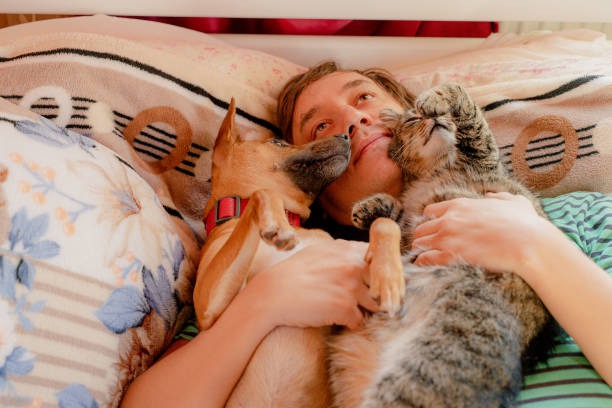
What Happens If Pets Skip Vaccines Before Surgery?

When it’s time for our furry friends to undergo surgery, we all want to ensure they receive the best possible care. It’s natural to focus on the procedure itself, but what about the steps leading up to it? An area that sometimes gets overlooked is whether or not our pets are up-to-date on their vaccines before they walk through the vet clinic doors. Let’s chat about why it’s a big deal and what could happen if those vaccines have been skipped.

Risks of Skipping Vaccinations Before Surgery

So, you might be wondering, ‘What’s the connection between my pet’s vaccines and their upcoming surgery?’ It’s a valid question! Your pet’s immune system should be in top-notch shape before any surgical procedure, and that’s where vaccinations come into play. Vaccines are like a dress rehearsal for the immune system, preparing it to fend off potential infections.

Increase in Infection Risk

If your pet hasn’t had its routine shots and is due for surgery, there are increased risks that you need to consider. The big one? Infections. Your pet’s immune system may not be ready to fight off bacteria or viruses it could encounter in a vet’s office or hospital. This is especially true if we’re talking about various dog surgery in Westminster, MA. Think about it—these are medical procedures that can open the door, quite literally, to infection. We want that door to stay shut.

Postponement of Surgery

The last thing any of us want is a delay in our pet’s critical care. Yet, if a vet finds out that our furry buddy isn’t vaccinated, they might reschedule the procedure. Safety first, after all. This could mean more discomfort for your pet and more stress for you—not an ideal situation.

Additional Costs

Time is money, as they say, and rescheduling surgery may lead to extra costs, not just in terms of the procedure itself but also for the additional vet visits you’ll need to fit those vaccines in.

Jeopardizing Herd Immunity

There’s also this concept called ‘herd immunity,’ which helps protect the pet population at large. When most pets are vaccinated, it creates an environment that is difficult for diseases to thrive in. So, if your pet skips vaccines, you’re not just risking their health but also the health of their furry neighbors.

Vaccine Protocols

Okay, so we’ve talked about the risks, but why are vaccines insisted upon in the first place? The answer lies in vaccine protocols. These are the guidelines vets follow, recommending which vaccines are needed and when. When you bring your pet for their regular check-ups, pet vaccinations in Westminster, MA are typically part of the wellness routine. These vaccines target a variety of potential threats, from rabies to kennel cough, depending on what’s common in the area or the lifestyle of your pet.

Tailored Vaccine Schedules

Every pet is unique, and so are their vaccine needs. A good veterinarian will tailor the vaccine schedule to fit your pet’s particular health status, age, and lifestyle. However, regardless of these factors, they must be current on vaccines before any surgical intervention.

Core vs. Non-Core Vaccines

Vaccinations play a crucial role in pet health care, offering protection against various diseases. They are broadly categorized into two types: core and non-core vaccines.

Core Vaccines

These are essential for all pets and include:

  • Rabies vaccine

  • Canine parvovirus vaccine for dogs

  • Feline panleukopenia vaccine for cats

Key Points

  • Core vaccines help prevent diseases that are severe in nature.

  • Their administration is crucial for overall pet health and is mandatory in many regions.

  • They are often required by law, such as the rabies vaccine.

Non-Core Vaccines

These are recommended based on the pet’s lifestyle:

  • Bordetella vaccine for dogs in social settings

  • Leukemia vaccine for outdoor cats

Key Points

  • Veterinarians suggest non-core vaccines after evaluating the pet’s exposure risk.

  • Though not mandatory for all, they can be crucial for certain pets.

In conclusion, while core vaccines are indispensable for all pets, non-core vaccines are tailored to individual needs. Both categories, however, play a significant role in ensuring the longevity and quality of life for our animal companions.

Steps to Take for a Safe Surgery

Now that we understand the ‘why,’ let’s look at the ‘how.’ How do we ensure that our pets are ready for surgery, vaccines and all?

  1. Check Your Pet’s Vaccination Status: First and foremost, check your pet’s current vaccination status. If they’re due for any shots, get those sorted out well in advance of the surgery date. This gives their immune system time to build up proper defenses.

  2. Schedule Vaccinations Beforehand: If your pet needs a vaccine update, don’t wait until the last minute. Schedule an appointment ahead of time. Rushing vaccinations can stress out your pet and might not give their bodies enough time to respond, especially before surgery.

  3. Consult with Your Vet: Got questions or concerns? Your vet is the best resource. They can explain the importance of each vaccine and help you understand how this fits into the bigger picture of your pet’s health plan.

Considering Spaying and Neutering

While focusing on vaccines, let’s not forget other essential procedures like spaying and neutering. These surgeries not only help control pet populations but also prevent a variety of health issues. For more details on how these procedures benefit your pet’s health, websites like https://www.wahpr.com/site/veterinary-surgery-westminster/spaying-neutering provide valuable information. It’s a good idea to have a look at why veterinarians encourage these practices.

Follow the Pre-surgery Instructions

Your vet will likely provide a list of pre-surgery instructions, which may include fasting guidelines and what to do the night before and the morning of the surgery. Make sure you adhere to these instructions closely to ensure a smooth procedure.

Final Thoughts

Skipping vaccines before your pet’s surgery can have pretty big consequences, from increased risks of infection to delays and additional costs. Prevention is the way to go. By staying current with your pet’s vaccinations, you’re not only ensuring a smoother surgery but also doing your part to keep your pet and the pet community safe and healthy. So before your pet goes under the knife, make sure their vaccines are up to date. It’s a simple step that can make all the difference in their health and well-being.

What Is the Importance of a Local Specialty Vet Hospital?

When our furry friends become part of our families, their health and well-being become just as important as any other family member’s. That’s when the role of a local specialty vet hospital comes into play. Much like specialized hospitals for humans, specialty vet hospitals offer a plethora of advanced medical treatments for pets that go beyond what a regular vet can provide. In these facilities, trained experts who understand the nuances of more complex health conditions work to ensure that pets receive the highest level of care possible.

The Significance of Specialty Vet Care

So why do we need specialty vet hospitals? Well, sometimes, a pet may develop a condition that requires more advanced care than what a general vet can offer. Whether it’s a heart problem that needs the expertise of a veterinary cardiologist in Bohemia, NY, or a challenging health issue that demands the focused attention of a specialist, these hospitals play a crucial role in extending the quality of life for our pets.

Advanced Diagnostics and Treatment

One key reason specialty vet hospitals are essential is their ability to provide advanced diagnostic services. These may include high-tech imaging like MRIs and CT scans, which can be pivotal in accurately diagnosing complex conditions. Furthermore, with specialized knowledge, veterinarians can propose treatment plans that are tailored to each pet’s unique needs.

Specialized Skill Sets

The professionals who operate within these hospitals have undergone additional training in specific areas of pet healthcare. Take, for instance, the intricate field of pet surgery. Just as humans would seek a surgeon with relevant expertise, pets benefit from the precision of surgeons who are trained to handle delicate procedures and manage any complications that may arise.

Round-the-Clock Care

Another cornerstone of these specialty vet hospitals is the provision of continuous, round-the-clock care. This is particularly vital for pets recovering from surgery or being treated for life-threatening conditions. Having a team of experts available at all times can significantly improve pet outcomes.

Why a Local Specialty Vet Hospital Matters

While specialty hospitals exist in many places, there is an added advantage to having this level of care locally. Accessibility in case of emergencies, the possibility for regular follow-up visits, and building a relationship with caregivers who can track the long-term health journey of a pet — all contribute to the significance of a local specialty vet hospital.

Accessibility in Emergencies

In an emergency, every minute counts. Local specialty vet hospitals enable you to get your pet the specialized care it needs without spending precious time traveling long distances. Having a specialized facility close by can be lifesaving.

Consistency of Care

Regular follow-ups are much easier when the specialty hospital is local. They ensure continuity and consistency in care, which is vital for chronic conditions or in the management of postoperative recovery. The local vet specialists become familiar with your pet’s medical history and can adapt treatment plans as necessary.

Building Long-Term Relationships

Establishing a rapport with your local specialty vet hospital builds a support system for you and your pet. Trust develops over time, and this trust is crucial when making difficult decisions about your pet’s health.

Range of Specialties

Specialty vet hospitals offer services in various fields of veterinary medicine. This could include specialties such as neurology, dermatology, and, of course, veterinary oncology. With advances in medicine, treatments once unavailable to pets are now within reach, often providing them with significantly better prognoses.

Oncology Specialist

Cancer care for pets has seen remarkable advances, and veterinary oncologists are at the forefront of offering specialized treatments such as chemotherapy and radiation therapy. This level of care provides pet owners with options that were previously unimaginable, offering hope in the face of one of the most challenging diagnoses.

Pet Surgery Specialists

Just like human surgeons who specialize in specific types of surgeries, pet surgery experts focus on surgical issues related to pets. They come equipped with the skills and knowledge needed to perform complex procedures while minimizing risk.

Cardiac Care

Heart diseases in pets can be as complicated as they are in humans. That’s why the expertise of a veterinary cardiologist is invaluable when it comes to diagnosing and treating intricate cardiac conditions in pets.

Challenges and Opportunities

While specialty vet hospitals represent a beacon of hope, they also come with their own set of challenges. For one, the cost of specialized care can be significantly higher than general veterinary services. Yet, with pet insurance becoming more common and more owners understanding the value of such specialized care, these challenges are being met with viable solutions.

Cost and Insurance

  • The cost of specialty vet care is often higher due to the advanced treatments and expertise involved.

  • Investing in pet insurance can mitigate some of the expenses associated with specialized care.

  • Some specialty hospitals also offer payment plans to make treatments more accessible.

The Future of Specialty Vet Care

As medical technology evolves and more emphasis is placed on the importance of pets’ health, the future looks bright for specialty vet care. The field is continually growing, with more attention being paid to areas like preventative care and rehabilitation, broadening the scope of specialized service offerings.

Final Thoughts

Pet ownership often requires specialized care for pets. Local specialty vet hospitals offer crucial expertise, advanced treatments, and dedicated spaces for pets. Skilled surgeons and veterinary cardiologists work to keep pets healthy and happy. Access to high-quality local care provides pet owners peace of mind, ensuring prompt and necessary treatments. These hospitals strengthen the bond between pets, their owners, and healthcare teams. They are vital community centers that value the health and well-being of every pet, big or small.

What Lifestyle Advice Will Be Given During a Pet Wellness Exam?

As a loving pet owner, the well-being of your furry companion is always at the top of my mind. A pet wellness exam is a fantastic way to ensure your beloved friend is not just surviving but thriving. Beyond the basic check-up, your veterinarian can offer invaluable lifestyle advice tailored to your pet’s unique needs. From nutrition tips to exercise routines, dental care insights, and beyond, let’s head on a journey to unlock the secrets of a vibrant, joyful life for your pet.

1. Nutrition

Nutrition forms the cornerstone of your pet’s health. However, with so many options on the market, what exactly should you be feeding your fur baby? During a wellness exam, the conversation often turns to diet. Your vet can provide custom recommendations based on your pet’s age, breed, weight, and health status. Here’s a sneak peek into the nutritional advice you might receive:

  • Quality over quantity: Focusing on high-quality, nutritionally dense food rather than quantity can lead to better health outcomes.

  • Life stage appropriateness: Feeding your pet food that is suitable for their current stage of life is crucial for their development and overall health.

  • Special dietary needs: If your pet has specific health issues, a tailored diet can make all the difference.

2. Regular Check-ups

Preventative care through regular wellness exams cannot be overstated. These check-ups can nip potential health issues in the bud or prevent them altogether. A common discussion point during these visits is the schedule of routine tests and screenings appropriate for your pet’s age and breed. Regular visits offer the perfect opportunity to catch up on:

  • Vaccinations

  • Parasite Prevention

  • Dental health checks

  • Weight management and nutrition

3. Dental Care

Often overlooked, dental care is an essential aspect of your pet’s overall health. Neglecting their dental health can lead to serious issues, including heart, liver, and kidney problems. During a wellness exam, your vet will check your pet’s teeth and gums and may suggest a professional cleaning or even teach you how to brush their teeth at home. 

For more specialized care or serious concerns, they might recommend a visit to an animal dentist. For instance, a dog dentist in Thomasville, NC, could address specific dental issues, offering services from cleanings to extractions, ensuring your pet’s mouth stays healthy and pain-free.

4. Exercise Essentials

Just like humans, pets need regular exercise to maintain a healthy weight and keep various health issues at bay. Your vet can offer tips on the best types of exercise for your pet, taking into account their breed and any health concerns. A blend of physical and mental stimulation will not only keep your pet fit but also markedly happy. Ideas for exercise might include:

  1. Regular walks or jogs, adjusted for your pet’s fitness level.

  2. Interactive games like fetch or hide and seek.

  3. Puzzle toys to stimulate their mind and keep boredom at bay.

5. Pet Grooming

Grooming plays a critical role in your pet’s health and goes way beyond making them look good. Regular grooming, whether done at home or by a professional, helps remove dead hair, dirt, and dander from the skin. It also offers a great opportunity to check for any unusual signs, such as lumps, bumps, or skin irritations, that could indicate underlying health issues. When talking about professional care, dog grooming services can include baths, haircuts, nail trimming, and ear cleaning, which all contribute to keeping your pet comfortable and in tip-top shape.

6. Mental Health 

It’s essential not to overlook your pet’s mental health, as it directly impacts their physical health and overall well-being. Stress, anxiety, and boredom can lead to destructive behaviors, overeating, and even depression in pets. Vets often stress the importance of regular social interaction, playtime, and mental stimulation. They might suggest:

  • Training classes for socialization and mental engagement.

  • Regular playdates with other pets.

  • Interactive toys to keep their minds active.

7. Vaccinations

Vaccinations are a vital part of your pet’s healthcare routine and can protect them from various serious and potentially fatal diseases. During a wellness exam, your vet will review your pet’s vaccination history and recommend any necessary updates or boosters. In some areas, specific diseases may be more prevalent, making certain vaccines highly recommended. 

For pet owners living in or near North Carolina, ensuring your pet’s vaccinations are up to date is critical. A vet offering pet vaccinations in Thomasville, NC, will be knowledgeable about the local risks and can provide tailored advice for your pet’s protection.

8. Safe Environment

Your home environment plays a crucial role in your pet’s health and safety. During the wellness exam, your vet can offer advice on making your home more pet-friendly. This might include securing hazardous materials, setting up a comfortable and safe sleeping area, and providing plenty of space for exercise and play.

9. Unique Needs

Every pet is unique, with their own set of needs, preferences, and quirks. A critical part of the wellness exam is discussing these individual aspects with your vet. They can tailor their advice to suit your pet’s specific requirements, whether related to breed-specific issues, managing chronic health conditions, or catering to their temperament and personality.

Final Thoughts

A pet wellness exam is much more than a routine check-up; it’s an opportunity to partner with your vet in caring for your furry friend’s overall well-being. From nutritional advice to exercise recommendations, dental care tips, grooming needs, and vaccination schedules, every aspect of their health is considered. Remember, the goal is to ensure your pet leads a happy, healthy, and fulfilling life by your side. So, embrace this journey with an open mind, and let’s make every day together count.

What Is Included in Professional Pet Grooming?

When you love your pet, ensuring they’re well-cared for is a top priority. This includes regular meals, walks, playtime, and keeping them clean and tidy. That’s where professional pet grooming comes in – it’s not just about bathing and haircuts. Let’s explore what you can expect when you book a grooming appointment for your beloved pet.

What Is Pet Grooming? 

Professional pet grooming in Scottsdale, AZ, goes far beyond the basic wash you might give your pet at home in the tub. It’s an extensive process to keep your pet’s skin, coat, nails, ears, and teeth in top-notch condition. The variety of services offered at grooming salons is designed to cater to your pet’s specific needs while considering their breed, age, and health requirements.

Key Services Offered by Professional Pet Groomers

When you take your pet to a professional groomer, you can expect various services that contribute to your pet’s overall well-being. These include:

1. Haircuts and Styling

  • Trimming overgrown hair to maintain your pet’s appearance and comfort.

  • Styling that adheres to breed standards or your personal preferences.

  • Dematting and detangling to avoid skin issues and to increase comfort.

2. Bathing and Skin Care

  • Gentle washing with pet-friendly shampoos and conditioners.

  • Medicated baths for pets with skin conditions or allergies.

  • Flea and tick treatments to keep your pet pest-free.

3. Nail Trimming and Paw Care

A crucial aspect of pet grooming is caring for their paws and nails. This includes:

  • Clipping nails to a comfortable and safe length to prevent overgrowth and splitting.

  • Paw inspections for cuts or thorns, and pad moisturizing to prevent cracking.

  • Trimming the fur around paws to stop matting and the accumulation of debris.

4. Ear and Eye Cleaning

Maintaining your pet’s ear and eye cleanliness is essential to prevent infections and other issues. Grooming services often include:

  • Gentle wiping off the areas around the eyes to remove tear stains and discharge.

  • Cleaning the ears with safe, vet-approved solutions to remove wax and dirt.

5. Teeth Brushing

Although more comprehensive than what a veterinary dentist would do, quick tooth brushing can help maintain oral hygiene during dental cleanings.

While a groomer can help maintain your pet’s external cleanliness, sometimes you need the expertise of a vet dentist in Scottsdale, AZ, to take care of the internal aspects, like your pet’s dental health. Veterinary dental care is crucial because oral health significantly impacts your pet’s overall well-being. Regular check-ups with a vet dentist can prevent dental diseases and detect issues early on. 

6. Anal Gland Expression

While not the most pleasant topic, anal gland care is a necessary part of some pets’ grooming routines, helping to avoid discomfort and potential infections.

7. Specialized Treatments

For pets with unique needs, grooming may also involve hypo-allergenic shampoos, aromatherapy baths, or unique treatments for sensitive skin.

Benefits of Regular Pet Grooming

Having your pet groomed regularly isn’t just about making them look pretty. It can have a range of health benefits, including:

  • Preventing matting, which can lead to skin irritation or worse.

  • Spotting early signs of skin issues, lumps, or infections.

  • Maintaining good ear and dental health can prevent more significant problems.

  • Keeping nails at a healthy length to support proper posture and paw health.

Grooming also allows your pet to socialize and get accustomed to being handled by different people, which can be especially important for younger pets or those with anxiety.

What to Look for in a Pet Grooming Service

When you’re seeking out grooming services for your pet, there are a few key factors to consider:

  • Experience and training of the groomers.

  • Cleanliness and safety of the grooming environment.

  • Feedback from other customers.

  • Comfort and stress levels of pets at the facility.

  • Services offered and whether they match your pet’s needs.

Meanwhile, pet boarding services in Scottsdale, AZ, often include grooming options, providing a convenient way to take care of your pet’s needs while you’re away. This can be an excellent option for busy pet parents.

Choosing a groomer who will treat your pet with care and respect is essential, making the experience as stress-free as possible.

Tips for Preparing Your Pet for a Grooming Session

To make the grooming experience as smooth as possible for you and your pet, here are a few preparation tips:

  • Introduce your pet to grooming gradually, especially if it is young or anxious.

  • Ensure your pet is up-to-date with vaccinations, as most salons require this.

  • Take your pet for a walk beforehand to help them relax.

  • Communicate any special requirements or concerns you have with the groomer.

With proper preparation, the grooming session can be a stress-free and enjoyable experience for your pet.

Final Thoughts

Professional pet grooming is integral to your pet’s health regimen, providing benefits beyond the superficial. Regular grooming keeps your pet comfortable, healthy, and at their best. It is essential to understand what services are included in a grooming session and the value they bring to your pet’s life.

When Should I Consider a Second Opinion Before Pet Surgery?

Taking care of your pet’s health can be challenging, and deciding on surgery for them is a big deal because it can affect their life. To feel more sure about your decisions, getting a second opinion from another vet is a good idea. But when should you think about doing this? Let’s review when getting a second opinion is essential for your pet’s health.

When to Opt for a Second Opinion

Several scenarios warrant a second look at your pet’s diagnosis or treatment plan. Here are some instances where seeking a second opinion is remarkably advisable:

  • Vague or Unclear Diagnosis: If the initial diagnosis seems ambiguous or the vet appears unsure, seeking further clarification from another professional is crucial.

  • Major Surgery Recommendation: Before committing to any significant surgical procedure, a second opinion can provide peace of mind and potentially alternative treatment options.

  • Lack of Improvement: If your pet doesn’t improve after treatment, questioning the diagnosis or treatment approach might be necessary.

  • Seeking Alternative Treatments: Exploring less invasive options before agreeing to surgery could benefit your pet’s health and well-being.

When considering a second opinion, consulting with an internal medicine vet can offer comprehensive insights into your pet’s health. These specialists, who focus on animal internal medicine, are well-versed in diagnosing and managing complex diseases that might take time to develop. Their thorough understanding of a wide range of conditions makes them invaluable when the initial diagnosis is uncertain or when a pet’s condition is not improving as expected.

Understanding Pet Surgery

When surgery is on the table, understanding the specifics of pet surgery is imperative. Vet surgery encompasses a wide range of procedures, from routine spaying and neutering to more complex operations like tumor removals or orthopedic repairs. Knowing the details of the proposed surgical procedure, the risks involved, and the expected outcomes can assist you in making an informed decision and effectively frame questions for a second opinion.

How to Approach Getting a Second Opinion

Knowing how to seek a second opinion can make the process more manageable. Here’s a step-by-step guide:

  1. Collect All Relevant Documentation: Gather all medical records, test results, and notes regarding your pet’s condition to provide the next vet with comprehensive background information.

  2. Choose the Right Specialist: Select a vet or specialist with the appropriate expertise depending on the nature of your pet’s condition. Consider those with experience in **animal internal medicine** or specific surgical procedures as necessary.

  3. Prepare Your Questions: Write down all your concerns and questions beforehand to ensure you cover everything necessary during the consultation.

  4. Be Open to Different Perspectives: Remember, seeking a second opinion is to gain additional insight, which might sometimes differ from what you initially hoped or expected.

Regular check-ups play a pivotal role in maintaining your pet’s health and can sometimes prevent the need for surgery altogether. For example, a thorough dog or cat checkup can detect early signs of illness that, when treated promptly, can circumvent more severe interventions later. These check-ups provide an excellent opportunity to discuss concerns with your vet, including when a second opinion might be necessary.

Benefits of Seeking a Second Opinion

There are numerous advantages to obtaining a second opinion, including:

  • Increased Confidence: Having more than one professional affirm a diagnosis or treatment plan can significantly increase your confidence in the decisions you make for your pet.

  • Exploration of Alternatives: A second opinion might reveal less invasive or alternative treatment options that weren’t initially considered.

  • Peace of Mind: Knowing you’ve done your due diligence for your pet’s health can provide considerable peace of mind.

Dealing with the Emotional Aspects

When faced with challenging decisions regarding your pet’s health, such as seeking a second opinion or contemplating surgery, navigating the emotional landscape of these choices is crucial. Below are strategies to help manage these emotions effectively:

Open Communication with Veterinary Professionals

  • Share Your Concerns and Fears: Don’t hesitate to express your worries about your pet’s condition, available options, and the potential outcomes. 

  • Ask Questions: Ensure you fully understand the situation by asking detailed questions about the diagnosis, recommended treatments, and possible side effects or complications.

Understanding Your Veterinary Professional’s Perspective

  • Trust in Their Expertise: Remember that your veterinarian has your pet’s best interests at heart and possesses the knowledge and experience to recommend the best course of action.

  • Discuss Alternatives: If you need more confidence about a particular recommendation, discuss alternative treatments or solutions with your vet to find a compromise that suits you and your pet.

Managing Emotional Responses

  1. Allow Yourself to Feel: It’s normal to experience a range of emotions, from fear and anxiety to sadness and doubt. Acknowledge these feelings as a natural response to a difficult situation.

  2. Consider Professional Help: If you find it overwhelming to cope with the stress and emotions, consider seeking support from a counselor or therapist, especially one who specializes in pet-related grief and anxiety.

Making Informed Decisions

  • Gather Information: Research the condition, possible treatments, and outcomes. The more informed you are, the more empowered you’ll feel to make the right choice.

  • Weigh the Pros and Cons: Consider the benefits and drawbacks of each option, including the potential impact on your pet’s quality of life, the cost, and the recovery process.

Final Thoughts

Deciding whether to seek a second opinion before pet surgery is personal, influenced by various factors unique to you and your pet. However, understanding when it might be beneficial, how to go about it, and the potential advantages can empower you to make the best decisions for your furry family member’s health. What matters most is ensuring the well-being and happiness of our pets, and sometimes, that means seeking that extra bit of assurance that a second opinion can provide.

What Are the Signs of a Good Pet Boarding Facility?

When finding a place for your beloved furry friend to stay while you’re away, looking beyond the glossy brochures and impressive websites is essential. A top-quality pet boarding facility offers much more than just a place for your pet to sleep. It’s a temporary home where your pet should feel safe, loved, and engaged. Through this guide, we’ll walk through the critical signs that differentiate a good pet boarding facility from a mediocre one, ensuring your pet has the best possible experience.

1. Friendly, Knowledgeable, and Attentive Staff

One of the first things you should look for in a pet boarding facility is the demeanor and knowledgeability of the staff. The workers should be friendly to humans and show genuine affection and understanding towards animals. Engage them in conversation and observe how they interact with the pets in their care. You want a team passionate about animals, demonstrates patience, and possesses a strong knowledge of animal behavior and care needs.

2. Clean and Secure Environment

Nothing says top-notch facility like cleanliness and security. On your visit, take note of the overall cleanliness of the kennels, common areas, and play spaces. A good facility will have no problem with you requesting a tour. Look for secure fencing, no harmful objects within pets’ reach, and a layout designed to prevent the spread of diseases. Ventilation and temperature control are vital to ensure your pet’s health and comfort.

3. Comprehensive Services Offered

The best facilities go beyond basic boarding. Look for a variety of services such as:

  • Grooming and spa treatments

  • Daily exercise routines

  • Special diet accommodations

  • 24/7 supervision and care

  • Interactive playtime with other pets (if suitable for your pet)

Such services demonstrate a facility’s commitment to your pet’s well-being and happiness.

4. Transparent and Positive Communication

A trustworthy pet boarding facility encourages open communication with pet owners. They should have a transparent procedure for updating you on your pet’s stay through daily texts, emails, or an app. Positive reviews and testimonials from other pet owners can also provide insight into others’ experiences, adding another layer of trust.

5. Veterinarian Accessibility and Emergency Plans

A vital aspect of a top-notch pet boarding facility is its approach to health care and emergencies. There should be a clear plan in case of a medical emergency, including immediate access to veterinary services. Facilities that partner with a nearby Memphis vet or any local vet display a proactive approach to pet care, ensuring that expert help is readily available.

6. Suitable Accommodations and Space for Play

The best facilities offer plenty of room for pets to move indoors and outdoors. This includes comfortable sleeping areas that are kept clean and personal to each pet and designated play areas where pets can socialize under supervision if compatible. Such spaces are essential for your pet’s physical and mental health.

7. Reputation and Recommendations

When selecting a pet care facility, Word-of-mouth testimonials and online reviews are invaluable resources. A stellar reputation among the community, particularly with fellow pet owners, signifies the facility’s dependability and excellence in pet care. Leveraging the experiences and recommendations of friends, family, or your veterinarian can guide you toward making an informed decision, ensuring your pet receives the best possible care.

8. Essential Policies and Procedures

A well-run pet hotel in Memphis, TN, or anywhere else, will have clear and thorough policies for everything from vaccination requirements to how they handle pet illnesses or injuries. This shows that the facility takes the safety and health of its guests seriously.

9. Personalized Attention and Customization

A sign of an exceptional pet boarding facility is the capacity to offer personalized attention and customize the care based on each pet’s unique needs and personality. Facilities that take the time to understand your pet’s habits, likes, dislikes, and any special requirements demonstrate a level of care that goes above and beyond. This could include adjusting exercise routines, providing unique toys or bedding, accommodating specific feeding schedules, or administering medication. 

Pre-Boarding Tip

Prioritizing the health of all pets, a competent facility will require up-to-date vaccinations for all their furry guests. This includes visiting a pet vaccination clinic before your pet’s stay to protect them against common diseases. This policy is fundamental in preventing the illness outbreak and ensuring a safe environment for all pets.

Final Thoughts

Ultimately, the suitable pet boarding facility should feel like a second home for your pet, a place where they’re not only taken care of in your absence but where they can thrive, interact, and remain healthy. It takes a bit of research and visiting potential spots, but finding that perfect environment where your pet is happy, engaged, and secure is well worth the effort. Listen to your instincts and prioritize the well-being of your furry family member to ensure a peaceful and positive experience for both of you.

What Are Common Dental Problems in Senior Pets?

As our beloved pets enter their golden years, they require even more attention and care than before. Their well-being encompasses different aspects, including their dental health, which is commonly overlooked yet crucially important. Studies have shown that most pets show signs of dental disease by the age of three, and as they age, these issues can become more pronounced and detrimental to their overall health.

Maintaining the dental hygiene of senior pets is not simply a matter of keeping their teeth clean. Still, it’s integral to preventing pain and chronic diseases and ensuring a good quality of life. In this article, we will delve into the common dental problems seen in senior pets and their implications for best management.

Common Dental Problems in Senior Pets

Plaque Buildup and Tartar Formation

One of the most common dental challenges for senior pets is the accumulation of plaque, which leads to tartar formation if left unaddressed. Plaque is a sticky film composed mainly of bacteria, and when it combines with minerals in the saliva, it hardens into tartar. This yellow-brown deposit not only looks unsightly but can be a breeding ground for more bacteria, leading to periodontal disease.

Gum Disease (Periodontal Disease)

Gum disease, also known as periodontal disease, is another widespread issue among older pets. It occurs when the structures that support the teeth become inflamed and infected. In advanced stages, it can result in tooth loss and bone loss and can trigger systemic issues due to bacteria entering the bloodstream.

Signs of Gum Disease

  • Bad breath

  • Red or bleeding gums

  • Difficulty chewing

  • Loose or missing teeth

Managing Gum Disease

Regular oral exams and cleanings by a veterinarian can help catch and manage periodontal disease early. Additionally, at-home dental care, such as tooth brushing or dental treats, can contribute to healthier gums and teeth.

Tooth Loss

As pets get older, their risk of tooth loss increases. This can be due to advanced periodontal disease, decay, or the natural weakening of tooth attachment as they age. Loss of teeth can affect a pet’s ability to eat properly and may require dietary adjustments.

Oral Tumors

Senior pets also have a higher risk of developing oral tumors. These growths can be benign or malignant, but early detection is critical to successful treatment. Any unusual lump or lesion in the mouth should be evaluated by a veterinarian as soon as possible.

Other Common Dental Concerns

Besides the major issues mentioned above, senior pets can face a variety of other dental problems, including fractured teeth, root abscesses, and chronic pain that can be hard to detect. Regular dental check-ups are crucial for early diagnosis and treatment of these conditions.

Fractured Teeth

Chewing on hard objects or toys can lead to fractured teeth in senior pets. Symptoms may include pawing at the face or reduced appetite. Fractures can expose the sensitive inner pulp of the tooth to bacteria, leading to infection and pain.

Root Abscesses

A root abscess is a pocket of pus surrounding the root of a tooth caused by bacterial infection. It can be extremely painful and may lead to swelling or a visible bump on the face.

Veterinary Dental Care for Your Senior Pet

Routine veterinary care plays a pivotal role in managing and preventing all the dental issues that senior pets face. Professional vet dentistry can not only treat existing dental ailments but also offer invaluable guidance on home care practices suited to your pet’s specific needs. 

Regular dental check-ups, cleanings, and X-rays are components of a comprehensive dental care regimen that will contribute to your pet’s overall well-being in their senior years.

Tackling Dental Problems with Proper Nutrition

The right diet can make a significant difference in your senior pet’s dental health. Foods specifically formulated for dental health can reduce plaque and tartar buildup. Soft foods are necessary for those with tooth loss or severe dental issues. Feeding a balanced, nutrient-rich diet that caters to the needs of a senior pet is essential for maintaining dental and overall health.

Importance of Regular Home Dental Care

In addition to veterinary visits, home dental care is crucial. This includes regular tooth brushing with pet-safe toothpaste and providing dental chews or toys that help reduce tartar. Starting these practices early in your pet’s life makes it easier for them to continue as they age.

Pet Vaccination and Overall Health

While not directly related to dental health, keeping up with your pet’s overall health status is essential. Regular dog vaccinations, for example, protect against infectious diseases that could otherwise weaken a senior pet’s immune system, making them more susceptible to dental as well as systemic issues. 

By maintaining a robust vaccination schedule, you’re safeguarding your pet’s ability to fight off infections that can compromise their oral health.

Caring for the Dental Needs of Exotic Pets

It’s not only cats and dogs that need dental care. Exotic pets like rabbits, guinea pigs, and ferrets also face dental challenges as they age. The anatomy of their teeth and the nature of their diets can lead to unique dental issues.

 If you’re interested in learning more about how to care for the dental needs of these special companions, follow this link for dedicated resources and guidance.

Final Thoughts

Aging is an inevitable process for our pets, and with it comes a plethora of potential dental issues. By being informed, vigilant, and proactive, we can prevent or manage these conditions, allowing our senior pets to enjoy their later years comfortably and happily. 

Remember, regular veterinary visits, proper nutrition, up-to-date vaccinations, and diligent home care are the cornerstones of maintaining good dental health in senior pets. With love and proper care, our furry and exotic friends can continue to be bright sources of joy in our lives.

How to Treat and Prevent Dry Mouth Symptoms

Dry mouth, medically known as xerostomia, is not only uncomfortable but also troublesome. It can impact your oral health by increasing the risk of tooth decay and gum disease. Thankfully, there are strategies to manage and prevent the symptoms of dry mouth, ensuring that you continue to enjoy good oral health and overall well-being.

Understanding Dry Mouth and Its Causes

A dry mouth occurs when your salivary glands don’t produce enough saliva. It can be due to a variety of factors, including medication side effects, certain medical conditions, lifestyle choices, and more. Identifying the root cause is crucial to effectively addressing dry mouth.

The Symptoms of Dry Mouth

  • Thirst: A constant need for hydration.

  • Oral discomfort: Sore throat, dry tongue, or hoarseness.

  • Difficulties in daily oral functions: Challenges with chewing, speaking, and swallowing.

Risk Factors for Developing Dry Mouth

  • Medications: Over-the-counter and prescription drugs can affect saliva production.

  • Health conditions: Diseases like diabetes and Sjogren’s syndrome are known to cause dry mouth.

Adopting Effective Home Remedies

Combating dry mouth can start in the comfort of your own home with simple adjustments to your routine.

Keeping Hydrated

  1. Drink plenty of water throughout the day.

  2. Avoid beverages that can dehydrate you, like coffee and alcohol.

Stimulating Saliva Production

  1. Chew sugar-free gum or suck on sugar-free hard candies.

  2. Use over-the-counter saliva substitutes or oral moisturizers.

Investing in a Holistic Dental Care Routine

Oral care practices are integral to controlling dry mouth. By establishing a dental care routine that promotes oral health, you can minimize the impact of xerostomia.

Emphasizing Proper Oral Hygiene

  • Daily brushing and flossing: Gently clean your teeth at least twice a day and floss daily.

  • Professional teeth cleaning: Regular visits for dental cleaning procedures.

Selecting the Right Dental Care Products

  • Fluoride toothpaste: Protects teeth from decay.

  • Alcohol-free mouthwash: Prevents further drying of the mouth.

Incorporating Mouth-Moistening Foods into Your Diet

What you eat plays a role in managing dry mouth symptoms. Including certain foods in your diet can make a significant difference.

Choosing Foods That Aid Saliva Flow

  1. Fruits and vegetables with high water content, such as cucumber and watermelon.

  2. Moist and soft foods that are easier to chew and swallow.

Avoiding Foods and Habits That Worsen Dry Mouth

  1. Limit intake of salty, dry, and sugary foods.

  2. Refrain from smoking and tobacco use.

Visiting the Dentist for a Professional Evaluation

Regular dental visits are pivotal in maintaining oral health and preventing dry mouth complications.

A comprehensive dental exam and cleaning is more than just a routine check-up; it’s an opportunity to identify any underlying issues that may be contributing to your dry mouth. When you think about receiving dental care, options like Langley Orthodontics may come to mind. These providers can offer personalized advice and treatments that cater to your particular needs.

Finding Affordable Dental Services

Whether it’s preventive dentistry or emergency dental services you’re after, there are many affordable dental services available that can help keep your mouth healthy without breaking the bank. Dental insurance can aid in covering the costs of these vital health services.

Exploring Targeted Dental Services for Relief

If your dry mouth is affecting your teeth alignment or bite, targeted dental services may be necessary.

For those requiring specific interventions, services such as orthodontic surgery in Langley can address structural issues in the mouth that may be impacting saliva flow and causing discomfort. Such dental surgery services go beyond routine care and offer more specialized treatment options.

For some, cosmetic dentistry, like teeth whitening services and therapeutic procedures, can offer relief from dry mouth symptoms while improving the aesthetics of their smile.

Embracing Dental Care for Adults of All Ages

Dry mouth can affect adults at any stage of life. It’s crucial to acknowledge dental care tailored to adult needs.

For adults who might be considering treatments like adult braces, it’s reassuring to know that these procedures can be carried out with attention to dry mouth symptoms. Accommodating dental healthcare should take into account factors like comfort and convenience.

Considering Family Dentistry and Pediatric Dental Care

Family dentistry serves patients of all ages, providing a comprehensive approach to oral health that includes preventive measures for dry mouth. Pediatric dentistry focuses on children and adolescents, helping them establish oral care practices early.

Wrapping Up

Finally, tying together all aspects of dry mouth prevention and treatment ensures a healthier, more comfortable mouth. From daily hydration to specialized dental services, each step contributes to the overall management of dry mouth symptoms.

Remember, good dental hygiene is foundational. Consistent home dental care, coupled with professional guidance, can mitigate the discomfort of dry mouth and lead to a lifetime of healthy smiles.


How Do Internal Medicine Specialists Work With Your Regular Vet?

When it comes to the health and well-being of our furry companions, we only want what’s best for them. This often means ensuring they have the best possible care through a collaboration between your regular vet and specialists. Among these specialists, internal medicine experts play a crucial role. But how do internal medicine specialists work with your regular vet? Let’s discuss and understand this dynamic partnership for your pet’s optimal health.

The Vital Role of Your Regular Vet

Your regular veterinarian is typically your first point of contact. They’re akin to general practitioners for humans, offering a broad range of care, including:

  • Preventative care 

  • Diagnosis and treatment of common illnesses 

  • Vaccinations

  • Routine check-ups 

  • Nutritional advice 

These vets comprehensively understand your pet’s medical history, behavior, and unique needs. However, when your pet faces a health issue requiring more specialized knowledge, a referral to a veterinary specialist might be considered.

Who Are the Internal Medicine Specialists?

Veterinary internal medicine specialists focus on diagnosing and treating diseases of the internal systems. These specialists undergo additional training after veterinary school, including a residency in their specialized field, making them experts in areas such as:

  • Gastroenterology 

  • Cardiology

  • Neurology

  • Oncology 

  • Endocrinology 

If your pet has a complicated health issue requiring specialized care, your vet should consult an internal medicine specialist. For those in need of such specialized consultation, click here for recommendations. This link can guide pet owners to seasoned internal medicine vets who can offer advanced care beyond what a general practice vet can provide.

Collaboration for Comprehensive Care

The collaboration between your regular vet and an internal medicine specialist is pivotal for several reasons: 

  • Enhanced Diagnostic Capabilities: Internal medicine specialists have access to advanced diagnostic tools and are proficient in their use, which can be crucial for complex cases. 

  • Specialized Treatment Plans: They can design and implement treatment plans tailored to your pet’s specific needs. 

Here’s how the synergy works in practical terms: 

  1. Referral: Upon identifying a need for specialized care, your regular vet will refer you to an internal medicine specialist.

  2. Information Sharing: Your vet will share your pet’s medical history, diagnostic results, and relevant information with the specialist. 

  3. Specialized Care: The internal medicine specialist conducts their assessment and communicates their findings and recommendations to your vet. 

  4. Integrated Healthcare: Your regular vet and the specialist work together to ensure a cohesive treatment plan, adjusting as needed based on your pet’s response.

Case Management and Communication

Effective communication is the cornerstone of this relationship. As a pet owner, you’ll also be kept in the loop, ensuring you understand your pet’s condition, the rationale for specific treatments, and what to expect. This triangular communication between the internal medicine specialist, your regular vet, and you is crucial for providing the best care possible.

Specialized yet Personalized Care

Even though internal medicine specialists offer a higher level of care, it’s personalized to your pet’s unique needs. They consider the medical condition and the pet’s behavior, lifestyle, and concerns as an owner. This holistic approach fosters optimal recovery and management of chronic conditions.

Young pets, like puppies and kittens, may also require the attention of specialists if they face health issues beyond the scope of general veterinary practice. Specialized care at an early stage can significantly impact their development and overall health. For instance, a kitten vet focusing on internal medicine can provide specialized care for congenital conditions, ensuring your young pet gets the best start in life.

Advanced Therapeutic Options

Internal medicine specialists bring access to advanced therapeutic options that might not be readily available in a general veterinary practice. These can include cutting-edge treatments for cancer, novel therapies for autoimmune diseases, and minimally invasive surgery techniques for various conditions. Their expertise allows pets to enjoy a higher quality of life, even with chronic conditions.

Continuing Education and Research

Veterinary medicine, like human medicine, is constantly advancing. Internal medicine specialists are often on the frontline of veterinary medical research, ensuring they are up-to-date with the latest treatments and technologies. This continuous education allows them to bring innovative care options to the table, further enhancing the treatment possibilities for your pet.

The Benefit of this Collaborative Approach

  • Comprehensive Care: This approach ensures your pet receives the most thorough care, benefiting from the generalized knowledge of your regular vet and the specialized skills of the internal medicine expert. 

  • Cost-Effective: By directly targeting the issue with specialized knowledge, this approach can be more cost-effective in the long run, avoiding unnecessary treatments or diagnostics. 

  • Peace of Mind: Knowing that your beloved pet is receiving the best care from your regular vet and a specialist can provide immense peace of mind.

Integrating Care with a Pet Chiropractor

An exciting facet of comprehensive veterinary care includes integrating services like chiropractic care. A veterinary chiropractor can offer complementary treatments, especially for pets with musculoskeletal issues, benefiting greatly from a multidisciplinary approach. Collaborating with your regular vet, an internal medicine specialist and a chiropractor can yield a holistic treatment plan that addresses various aspects of your pet’s health.

Choosing the Right Specialist

When your vet recommends seeing a specialist, they will likely suggest someone with whom they have a working relationship and trust. However, as a pet owner, choosing a specialist you feel comfortable with is within your research right. You can look for: 

  • Board certification in their specialty 

  • Positive reviews from other pet owners 

  • A communicative and compassionate approach

Final Thoughts

The collaboration between your regular veterinarian and an internal medicine specialist is a testament to the comprehensive care the veterinary field strives to provide. This partnership leverages the strengths of general practice and specialized medicine, offering pets the highest standard of care. Understanding how these professionals work together can empower you as a pet owner to make informed decisions, ensuring your furry friend receives the best possible care throughout their life. 

Remember, your pet’s health is a team effort involving you, your veterinarian, and, when needed, specialized professionals. Embracing this collaborative approach can make all the difference in your pet’s well-being and quality of life.

Why Are Comprehensive Vet Services Important for Pets?

Our beloved pets are cherished members of our families, bringing joy, companionship, and unconditional love into our lives. Just as we prioritize our health and well-being, it’s essential to provide our furry companions with comprehensive veterinary care to ensure they live long, healthy, and fulfilling lives. 

What Are Comprehensive Vet Services?

Comprehensive vet services encompass a wide range of preventive, diagnostic, therapeutic, and supportive measures designed to address every aspect of a pet’s health and wellness. From routine check-ups and vaccinations to emergency care, dental health, and behavioral consultations, these services play a crucial role in safeguarding the health, happiness, and longevity of our beloved pets. 

Choosing the right facility for your pet can be overwhelming. You want a place that offers state-of-the-art care with a compassionate touch. Ideally, a place like Aurora Veterinary Hospital provides a full suite of services tailored to the needs of your pet from birth through the golden years.

What Makes Comprehensive Vet Services Valuable?

Let us explore the importance of comprehensive vet services for pets and how they contribute to their overall well-being.

1. Preventive Care

Preventive care is the cornerstone of comprehensive veterinary services aimed at keeping our furry companions healthy and happy throughout their lives. Here’s why preventive care is essential for pets:

  • Vaccinations: Vaccinations are crucial for preventing serious and potentially life-threatening diseases in pets. Comprehensive vet services include timely vaccinations tailored to a pet’s individual needs, protecting them against diseases such as rabies, distemper, parvovirus, and more. By ensuring pets are up-to-date on their vaccinations, veterinarians can help prevent the spread of infectious diseases and safeguard both individual pets and the community at large.

  • Regular Check-ups: Regular check-ups are essential for monitoring a pet’s overall health and detecting any signs of illness or disease early on. During these appointments, veterinarians perform comprehensive physical examinations, assess vital signs, and discuss any concerns or changes in a pet’s behavior or condition. Early detection of health issues allows for prompt intervention and treatment, improving the prognosis and quality of life for pets.

  • Parasite Prevention: Parasite prevention is an essential aspect of preventive care, protecting pets from harmful parasites such as fleas, ticks, heartworms, and intestinal worms. Comprehensive vet services may include regular parasite screenings and preventive medications to control parasites and prevent infestations. By keeping parasites at bay, veterinarians can help prevent the transmission of diseases and reduce the risk of complications associated with parasitic infections.

2. Early Detection of Health Issues

Regular veterinary visits allow for early detection of underlying health issues that may not be immediately apparent to pet owners. Through thorough physical examinations, diagnostic tests, and screenings, veterinarians can identify health problems in their early stages when they are often more treatable and manageable.

3. Tailored Treatment Plans

Comprehensive vet services involve developing personalized treatment plans tailored to each pet’s specific needs. Whether addressing chronic conditions, acute illnesses, or preventive care measures, veterinarians can customize treatment approaches based on factors such as age, breed, medical history, and lifestyle.

4. Management of Chronic Conditions

Pets, like humans, can develop chronic health conditions such as diabetes, arthritis, or allergies. Comprehensive vet services provide ongoing management and support for these conditions, including medication management, dietary recommendations, and lifestyle modifications to improve quality of life and minimize symptoms.

5. Emergency and Critical Care

Despite the best preventive measures, emergencies can and do happen. When that unpredicted illness or injury strikes, you’ll want to check it out with a team ready to respond. Emergency veterinary services, readily available at full-service clinics, mean expert help at critical moments.

In an emergency, you can expect:

  • Immediate triage and assessment

  • Access to critical care units and specialized equipment

  • Support and guidance through the recovery process

6. Dental Care

Dental health is an integral part of a pet’s overall well-being, yet it is often overlooked. Comprehensive veterinary dentistry services include routine dental exams, cleanings, and treatments for dental issues such as periodontal disease, tooth decay, and oral infections, helping to maintain healthy teeth and gums and prevent systemic health problems.

7. Behavioral Consultations

Behavioral issues can significantly impact a pet’s quality of life and the bond they share with their owners. Comprehensive vet services may include behavioral consultations and interventions to address issues such as anxiety, aggression, or destructive behavior, improving the pet’s behavior and strengthening the human-animal bond.

8. End-of-Life Care and Support

Comprehensive vet services extend to compassionate end-of-life care and support for pets nearing the end of their lives. Veterinarians can guide palliative care options, pain management, and euthanasia when necessary, ensuring that pets receive comfort, dignity, and love in their final days.

Final Thoughts

Comprehensive veterinary services are essential for pets because they encompass preventive care, early detection of health issues, tailored treatment plans, management of chronic conditions, emergency care, dental health, behavioral consultations, and end-of-life support. By prioritizing these services, pet owners can ensure that their furry companions receive the highest standard of care throughout their lives, promoting health, happiness, and longevity.